
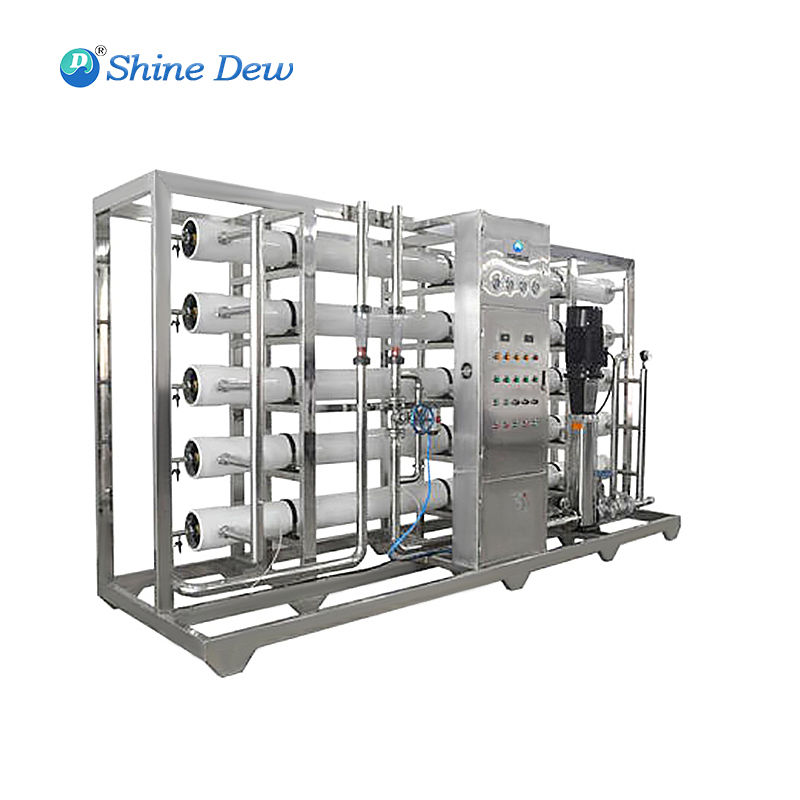
Optimizing Performance: A Comprehensive Guide to Extending the Service Life of Industrial RO Membranes
In the realm of industrial water treatment, the Reverse Osmosis (RO) membrane is often referred to as the “heart” of the system. Whether in seawater desalination, power plant boiler feed water, or wastewater reuse, the efficiency of these membrane elements directly dictates the operational expenditure (OPEX) of the entire facility. However, many operators face the challenge of premature flux decline and frequent replacements. Extending the service life of industrial RO membranes is not merely about reactive cleaning; it is a systematic discipline that begins with meticulous pre-treatment and ends with disciplined operational monitoring.
The first line of defense is undoubtedly the pre-treatment system. Most membrane failures are rooted in inadequate feed water quality. Monitoring the Silt Density Index (SDI) is paramount; an SDI15 value exceeding 5 is a precursor to rapid colloidal fouling. For instance, a chemical fiber plant we collaborated with in Southeast Asia initially struggled with high replacement costs. Upon investigation, we found that their multi-media filters were bypassing fines during backwash cycles. By optimizing the coagulation dosage and ensuring the SDI remained consistently below 3, the plant extended its membrane lifespan from 18 months to over 3.5 years. This highlights that the longevity of an RO element is often determined before the water even touches the membrane surface.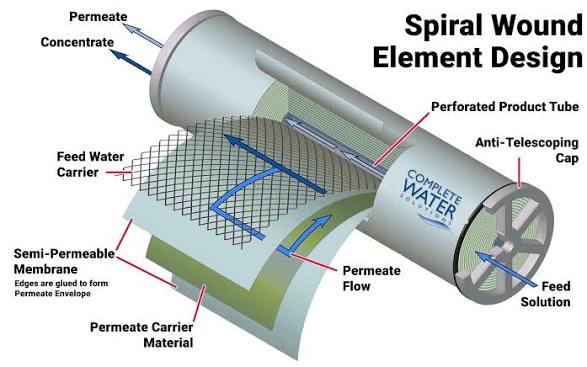
Beyond physical filtration, chemical stability within the system is crucial. Scaling, particularly from calcium carbonate or sulfate, occurs when the concentration of salts exceeds their solubility limits. Utilizing high-quality anti-scalants and maintaining the correct pH levels are essential. Furthermore, operators must be vigilant against “chemical oxidation.” Residual chlorine from the disinfection stage can cause irreversible damage to the polyamide layer of the membrane. Implementing a robust dechlorination process using sodium bisulfite or activated carbon filters is non-negotiable for preserving the structural integrity of the membrane.
Operational parameters such as cross-flow velocity and recovery rates must also be managed with precision. Operating a system at a recovery rate higher than its design specification may seem efficient in the short term, but it significantly increases the risk of concentration polarization. This phenomenon leads to a higher concentration of solutes at the membrane surface, accelerating both scaling and organic fouling. We recommend a “Normalization” approach to data tracking. By comparing current flow and salt rejection against the initial baseline—adjusted for temperature and pressure—operators can identify performance drifts early.
Finally, the timing of Clean-in-Place (CIP) is a decisive factor. A common mistake is waiting for a 20% or 30% drop in normalized permeate flow before initiating cleaning. By that stage, the foulants are often compacted, making them nearly impossible to remove completely. The industry gold standard is to perform a CIP when the normalized flow decreases by 10%, the differential pressure increases by 15%, or the salt passage increases by 10%. Proactive maintenance, rather than emergency intervention, ensures that the membrane remains an asset rather than a liability, ultimately driving down the total cost of water for the enterprise.


Leave a Reply
Want to join the discussion?Feel free to contribute!