Optimizing Performance: A Comprehensive Guide to Extending the Service Life of Industrial RO Membranes

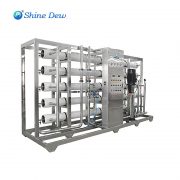
In the realm of industrial water treatment, the Reverse Osmosis (RO) membrane is often referred to as the “heart” of the system. Whether in seawater desalination, power plant boiler feed water, or wastewater reuse, the efficiency of these membrane elements directly dictates the operational expenditure (OPEX) of the entire facility. However, many operators face the challenge of premature flux decline and frequent replacements. Extending the service life of industrial RO membranes is not merely about reactive cleaning; it is a systematic discipline that begins with meticulous pre-treatment and ends with disciplined operational monitoring.

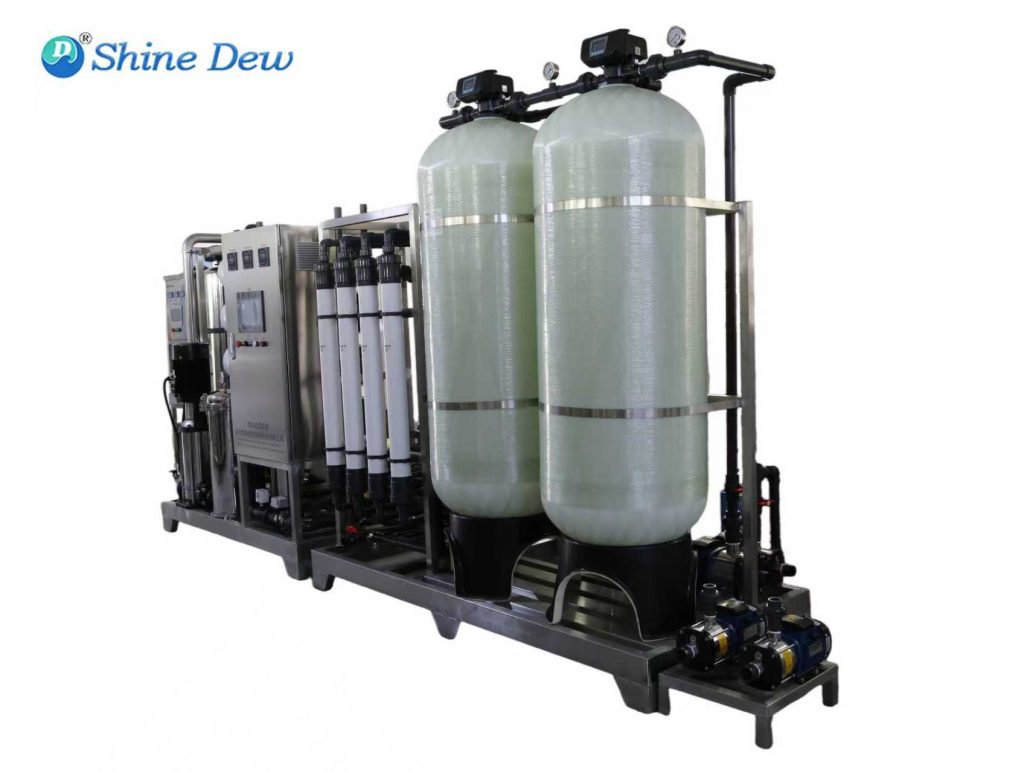
The first line of defense is undoubtedly the pre-treatment system. Most membrane failures are rooted in inadequate feed water quality. Monitoring the Silt Density Index (SDI) is paramount; an SDI15 value exceeding 5 is a precursor to rapid colloidal fouling. For instance, a chemical fiber plant we collaborated with in Southeast Asia initially struggled with high replacement costs. Upon investigation, we found that their multi-media filters were bypassing fines during backwash cycles. By optimizing the coagulation dosage and ensuring the SDI remained consistently below 3, the plant extended its membrane lifespan from 18 months to over 3.5 years. This highlights that the longevity of an RO element is often determined before the water even touches the membrane surface.

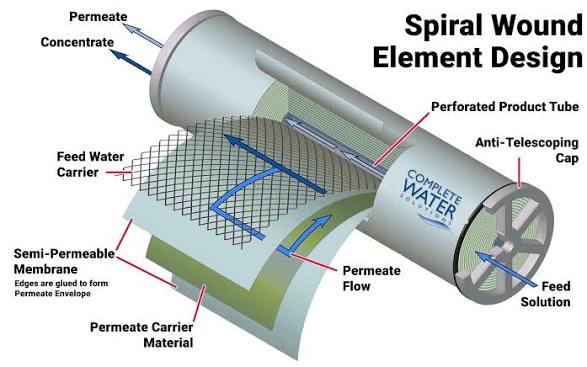
Beyond physical filtration, chemical stability within the system is crucial. Scaling, particularly from calcium carbonate or sulfate, occurs when the concentration of salts exceeds their solubility limits. Utilizing high-quality anti-scalants and maintaining the correct pH levels are essential. Furthermore, operators must be vigilant against “chemical oxidation.” Residual chlorine from the disinfection stage can cause irreversible damage to the polyamide layer of the membrane. Implementing a robust dechlorination process using sodium bisulfite or activated carbon filters is non-negotiable for preserving the structural integrity of the membrane.

Operational parameters such as cross-flow velocity and recovery rates must also be managed with precision. Operating a system at a recovery rate higher than its design specification may seem efficient in the short term, but it significantly increases the risk of concentration polarization. This phenomenon leads to a higher concentration of solutes at the membrane surface, accelerating both scaling and organic fouling. We recommend a “Normalization” approach to data tracking. By comparing current flow and salt rejection against the initial baseline—adjusted for temperature and pressure—operators can identify performance drifts early.

Finally, the timing of Clean-in-Place (CIP) is a decisive factor. A common mistake is waiting for a 20% or 30% drop in normalized permeate flow before initiating cleaning. By that stage, the foulants are often compacted, making them nearly impossible to remove completely. The industry gold standard is to perform a CIP when the normalized flow decreases by 10%, the differential pressure increases by 15%, or the salt passage increases by 10%. Proactive maintenance, rather than emergency intervention, ensures that the membrane remains an asset rather than a liability, ultimately driving down the total cost of water for the enterprise.

How to Boost Your Production Efficiency by 30% Without Adding New Lines

In the competitive world of bottled water and beverage production, “more output” is often the first thought when demand spikes. For many business owners, the immediate instinct is to invest in a brand-new production line. However, as an industry veteran with 20 years of experience at ShineDew Machinery, I always ask our clients one question before they sign that check: “Are you truly getting 100% out of the machines you already have?”
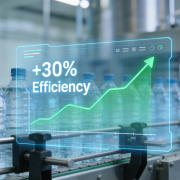
The reality is startling. After auditing hundreds of plants globally, we’ve found that most production lines operate at only 60% to 70% of their theoretical capacity. This means there is a “hidden factory” within your existing walls—a 30% efficiency gap that, if closed, represents pure profit without the massive capital expenditure (CAPEX) of new machinery.
Here is how you can unlock that 30% boost by focusing on optimization rather than expansion.
1. Identify and Conquer the “Bottleneck”
A production line is like a chain; it is only as strong as its weakest link. In many plants, owners brag about a filling machine that can handle 10,000 bottles per hour (BPH), but their labeling machine or shrink wrapper can only handle 7,000 BPH. In this scenario, your 10,000 BPH filler is effectively a 7,000 BPH machine.
The Strategy: We use the “Theory of Constraints.” By identifying the slowest machine and optimizing its performance—or adding a simple “Buffer System” (conveyor accumulation)—you can prevent a 2-minute minor hiccup at the packaging stage from forcing the entire multi-million dollar filling line to a dead stop. At ShineDew, we specialize in line synchronization, ensuring that every motor and sensor works in harmony to maintain a continuous “flow.”
2. Move from “Firefighting” to Preventive Maintenance
Downtime is the ultimate profit killer. I have seen plants where the “Maintenance Team” is actually a “Repair Team”—they only move when something breaks. This “Run-to-Failure” mentality is the most expensive way to run a business.
Consider this: If your line stops for just one hour a day due to a snapped belt or a clogged valve, you aren’t just losing 60 minutes of production. You are losing electricity, labor costs, and potentially missing delivery deadlines.
The ROI Secret: Implementing a Preventive Maintenance (PM) Schedule. By replacing wear-and-tear parts (like O-rings, seals, and heating lamps) before they fail, you can increase uptime significantly. ShineDew provides our clients with a “Life-Cycle Spare Parts Kit” and a calendar-based maintenance plan. This simple shift in mindset can easily recover 10-15% of lost efficiency.
3. Master the Art of the “Quick Changeover”
In today’s market, flexibility is key. You might need to switch from 350ml bottles to 1.5L bottles in the same afternoon. In an unoptimized plant, this changeover can take 4 to 6 hours of trial and error. That is half a shift of zero output.
The Strategy: We teach our clients the SMED (Single-Minute Exchange of Die) methodology. By using standardized mechanical guides, color-coded components, and pre-set digital parameters on the PLC, we’ve helped clients reduce changeover times from hours to under 45 minutes. When you spend less time “tweaking” and more time “running,” your bottom line grows instantly.
4. The Human Element: Training and SOPs
Even the most advanced ShineDew machine is only as good as the person operating it. A 10% variance in efficiency often exists between a skilled operator and an untrained one.
The Strategy: Standard Operating Procedures (SOPs). Do your operators know the exact sequence to start the RO system to prolong membrane life? Do they know the “early warning signs” of a pump failure?
We believe that Overseas On-site Training is our most valuable product. By spending 3 to 6 months training local staff, we ensure they don’t just “push buttons” but understand the “why” behind the machine’s rhythm. A confident operator is a fast operator.
5. Real-World Case Study: Optimization in the Middle East
Last year, a client in Saudi Arabia was planning to spend $400,000 on a second production line to meet a 25% increase in demand. We conducted a 3-day efficiency audit of their existing line.
We found that their conveyor speeds were mismatched, causing “bottle jams” every 20 minutes. By simply re-programming the VFDs (Variable Frequency Drives), adding an accumulation table, and retraining their staff on faster labeling reel changes, we increased their daily output by 32%.
The result? They canceled the order for the new line, saved $400,000 in capital, and met their market demand within 60 days.
Conclusion: Efficiency is the Highest Form of Profit
Before you expand your footprint, expand your mindset. Increasing efficiency by 30% is equivalent to getting a 30% discount on your entire factory’s operating costs.
At ShineDew Machinery, we don’t just sell Water plants; we sell Production Intelligence. With 20 years of global data and hundreds of successful Turnkey projects, we know exactly where the “hidden leaks” in your profit are.
Is your plant reaching its full potential?
Contact our senior engineering team today for a Free Production Line Audit. Let’s find your hidden 30% together.

RO vs. UF: Selecting the Right Water Technology for Maximum Investment Return

In the global water bottling industry, many new investors fall into the trap of believing that the most expensive equipment automatically yields the highest quality product. At ShineDew Machinery, during my 20 years of navigating international water projects, I have seen numerous entrepreneurs insist on high-end Reverse Osmosis (RO) systems for sources that were already pristine. While RO is undoubtedly a powerful technology, choosing it blindly can often lead to a lower Return on Investment (ROI) compared to Ultrafiltration (UF). To build a truly profitable plant, you must look beyond the machine’s price tag and focus on the Total Cost of Ownership, which balances your initial capital expenditure with your long-term monthly electricity and water bills.

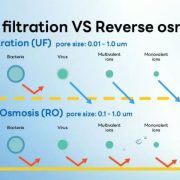
The fundamental difference between these two technologies lies in what they leave behind. Reverse Osmosis is an aggressive filtration process designed to remove nearly everything—including the minerals naturally found in water—to produce “Purified Water.” Ultrafiltration, on the other hand, acts more like a fine sieve that blocks harmful bacteria and viruses while allowing healthy minerals like calcium and magnesium to remain. From a financial perspective, this distinction is critical because it dictates your market positioning. Today’s health-conscious consumers often pay a premium for “Natural Mineral Water” produced via UF, whereas “Purified Water” from RO is often viewed as a commodity with tighter profit margins.

When we analyze the operational costs, the ROI gap becomes even more visible. RO systems are energy-intensive; they require high-pressure stainless steel pumps to force water through extremely dense membranes. In contrast, UF systems operate at much lower pressures, typically consuming 50% to 70% less electricity than an RO system of the same capacity. Furthermore, there is the hidden cost of “waste water.” A standard RO system may discharge 25% to 50% of your raw water as concentrate, literally sending your money down the drain. UF systems boast recovery rates as high as 95% to 98%. If you are operating in a region where water is expensive or scarce, the efficiency of a UF system can often pay for itself within the first two years of operation.

However, the “cheapest” path is not always the smartest. The ultimate deciding factor for your ROI must be your Raw Water Quality Report. If your source water has high salinity (TDS above 500 ppm) or contains heavy metals, UF simply cannot produce a drinkable product. In these cases, investing in RO is not an option—it is a necessity to ensure your brand’s safety and taste. At ShineDew, we don’t just sell you a machine; we analyze your specific environment. We often design Hybrid Systems for our clients, using UF as a pre-treatment to protect expensive RO membranes, thereby extending equipment life and maximizing every dollar of your investment.

In conclusion, building a successful water plant is an exercise in engineering your profit margins. Whether you choose the absolute purity of RO or the mineral-rich efficiency of UF, your decision should be based on data, not guesswork. At ShineDew Machinery, we leverage two decades of global expertise to help you navigate these choices, ensuring that your factory is not just a place that bottles water, but a high-performance engine for wealth creation. If you are ready to see the real numbers for your project, contact our engineering team today for a customized ROI analysis based on your local water source.

Navigating Water Plant Planning: 5 Critical Mistakes to Avoid for New Investors

The global demand for clean drinking water is reaching unprecedented heights, presenting a lucrative “blue ocean” for investors. However, in my 20 years of experience at ShineDew Machinery, I’ve seen many ambitious projects grind to a halt within their first year. The reason is rarely a lack of market demand, but rather fundamental errors in the initial planning phase.
To help you protect your investment, here are the five most critical mistakes new investors must avoid.

1. Neglecting the Raw Water Quality Report
Many investors rush to purchase equipment based on the output they want (e.g., “I need 2,000 liters per hour”) without testing their source water. This is a recipe for disaster.
Whether your source is a borehole, a river, or municipal water, the TDS (Total Dissolved Solids) and mineral content dictate the design of your RO (Reverse Osmosis) system. Buying a “standard” machine without a water report often leads to membrane fouling within weeks or, worse, finished water that fails health inspections.
Our Advice: Always conduct a professional water analysis first. At ShineDew, we customize every filtration system to match the unique “DNA” of your source water.
2. Poor Factory Layout and Chaotic Workflow
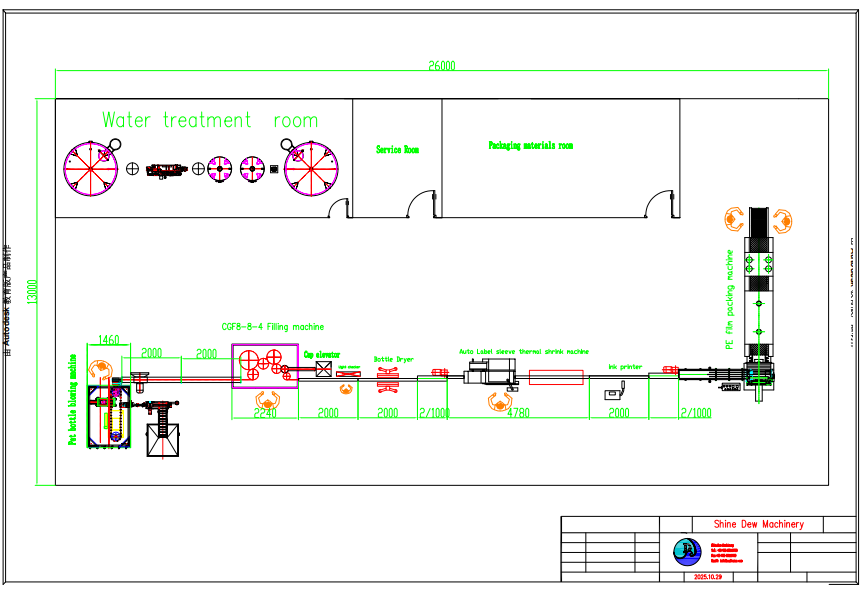
A water plant is more than just a collection of machines; it is a synchronized ecosystem. We often see layouts where the blowing room is too far from the filling station, or the packaging area is congested. This leads to high labor costs and increased risks of cross-contamination.
In the bottled water industry, hygiene is everything. A poorly planned workflow can lead to “dead corners” that are impossible to clean.
Our Advice: Professional 2D/3D factory planning is essential. We provide our clients with optimized blueprints that ensure the shortest production path and the highest hygiene standards.

2000BPH Water Line Layout

3. Underestimating After-Sales and Spare Parts Accessibility
It is easy to find a cheap machine online, but it is hard to find a partner who will be there when a $5 sensor fails and stops your entire production line. Many new investors realize too late that waiting four weeks for a spare part to ship from overseas can bankrupt a small business.
Our Advice: Evaluate the “Service Ecosystem” of your supplier. ShineDew provides comprehensive “Wear-and-Tear” spare part kits with every shipment and offers on-site technical training for 3–6 months to ensure your local team can handle routine maintenance independently.
4. Prioritizing Quantity Over Stability
A machine that produces 6,000 bottles per hour but breaks down every two days is far less profitable than a stable machine that produces 4,000 bottles per hour. In this industry, Downtime is the Profit Killer.
New investors are often lured by high-speed specs at suspiciously low prices. These machines usually use sub-standard components that cannot handle the heat and humidity of a real factory environment.
Our Advice: Look for stability and component quality (such as food-grade SS304 and international brand PLCs). A water plant is a marathon, not a sprint.
5. Ignoring Local Regulatory and Packaging Trends
The “Standard” bottle size or label type in one country might not sell in another. Furthermore, local FDA or environmental regulations regarding plastic usage can change overnight.
Our Advice: Beyond the machinery, look for a provider who understands global market trends. We help our clients not just with the “how to produce,” but also with “what to produce,” providing insights into bottle design and packaging efficiency.

Conclusion
Building a water plant is a long-term investment. While it’s tempting to save costs in the short term, being “penny wise and pound foolish” can lead to catastrophic losses. Success comes from a balance of high-quality technology, professional planning, and reliable after-sales support.

Ready to start your water business the right way?
[Click here to contact us: wa.me/8619898652653 and email: sales6@szsdwater.com] to Book a Free Consultation with our senior engineers today!

Precision Upgrades for 5-Gallon Barrel Lines: Enhanced Cleaning and Leak Detection

In the competitive landscape of bottled water production, every detail matters—especially when it comes to the quality and safety of reusable 5-gallon barrels. ShineDew Machinery has recently introduced significant upgrades to two essential pieces of equipment for barrel handling lines: the External Bottle Washer and the newly developed 5-Gallon Barrel Leak Detector. These enhancements are designed to elevate cleaning effectiveness, improve operational visibility, and ensure barrel integrity before refilling.

External Bottle Washer: Deeper Cleaning, Better Visibility

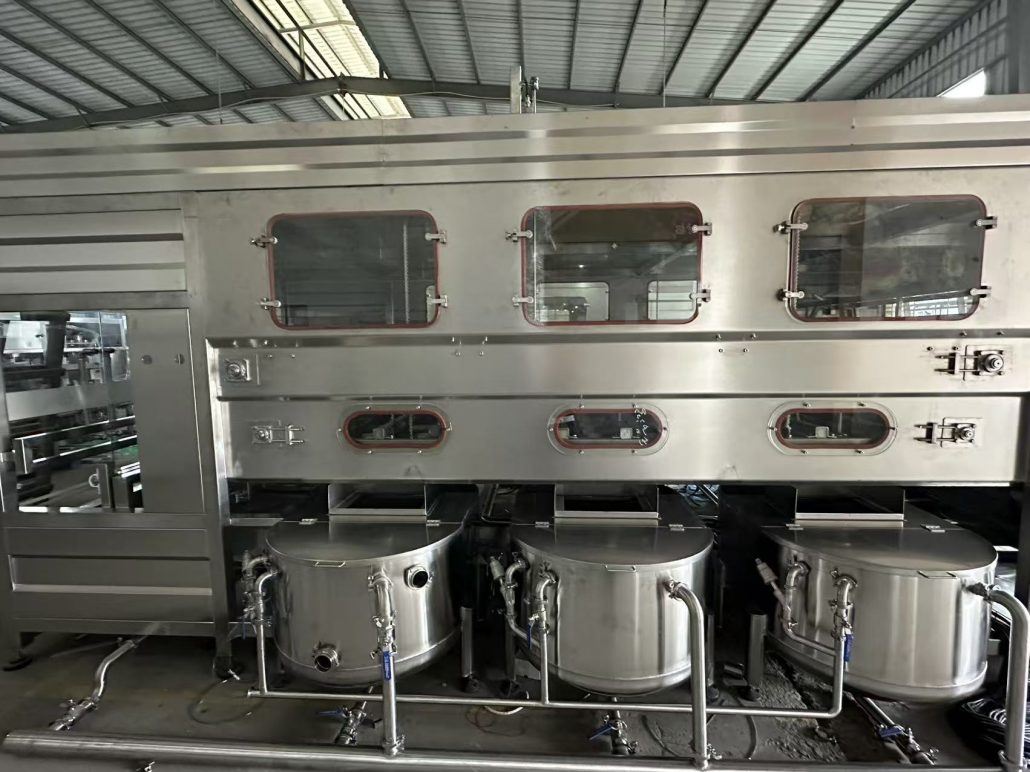
The external bottle washer plays a critical role in preparing returned barrels for refilling by removing dust, labels, and surface contaminants. The latest version of this machine incorporates two major improvements:

Plunger Pumps

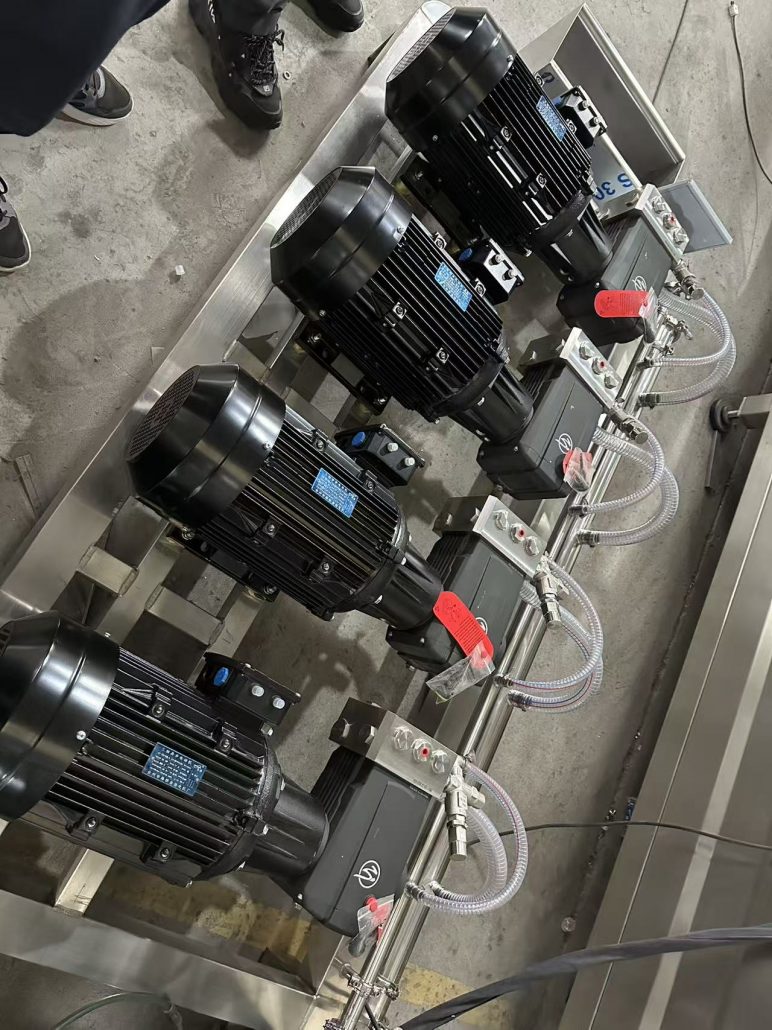
First, the system now features four newly added plunger pumps. This upgrade significantly increases water pressure and flow consistency during the washing cycle. The result is a more powerful and thorough cleaning action that reaches deep into textured surfaces and hard-to-clean areas of the barrel exterior. By ensuring that every barrel emerges spotless, the risk of residual contamination entering the filling process is substantially reduced.

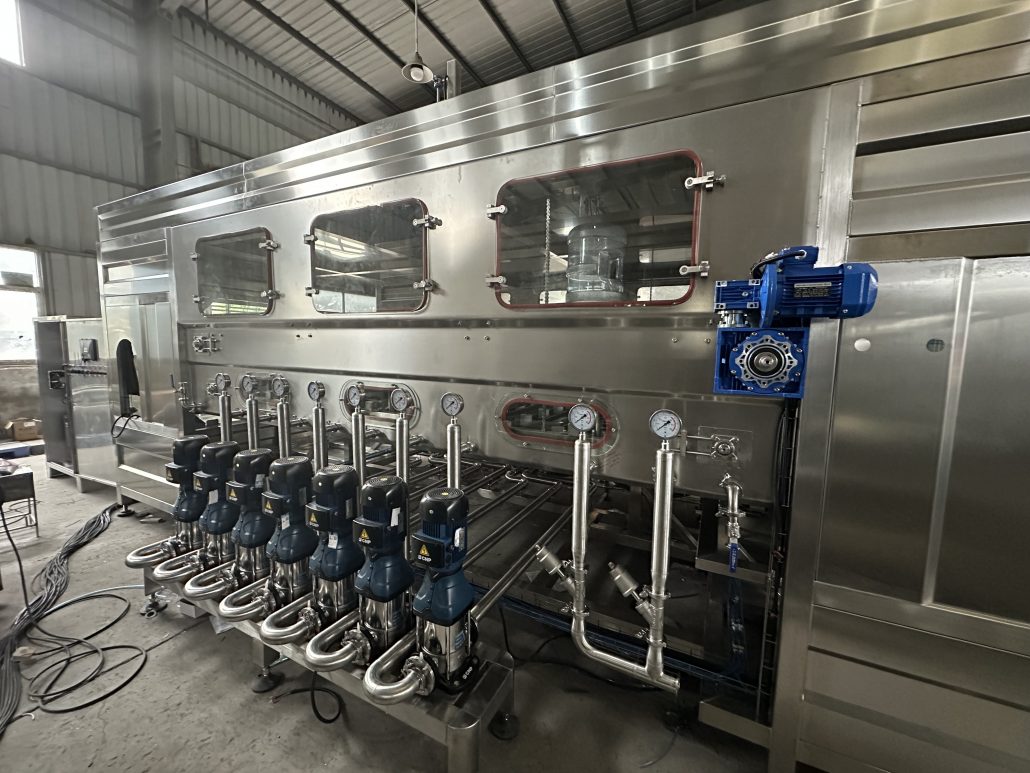
Second, the machine now includes multiple strategically positioned viewing windows. These transparent panels allow operators to monitor the internal washing process in real time, providing immediate visual feedback on system performance. Should any irregularity occur—such as a clogged nozzle or inconsistent spray pattern—it can be detected and addressed without delay. Additionally, these windows facilitate easier access for routine maintenance and part replacement, minimizing downtime and extending the machine’s service life.

5-Gallon Barrel Leak Detector: Integrity Assurance Before Filling

Complementing the upgraded washer is the newly introduced automatic leak detection system, specifically engineered for 5-gallon barrels. This standalone unit performs a critical quality check before barrels enter the filling stage.

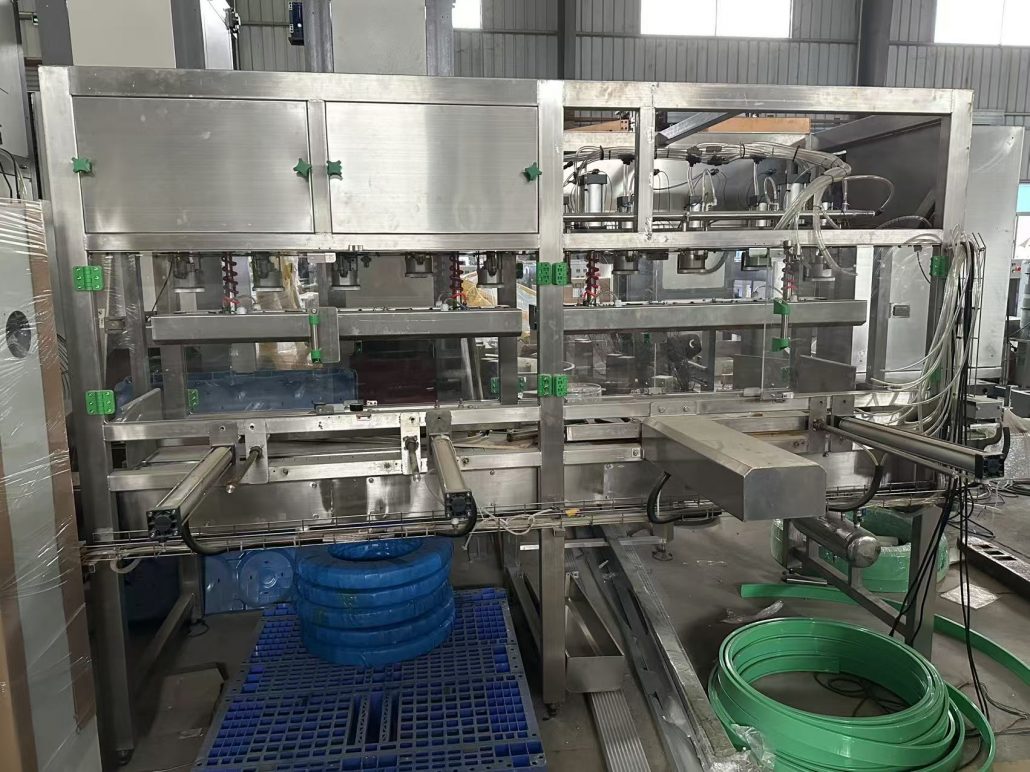
The operating principle is straightforward yet highly effective: each barrel is sealed and subjected to a precisely controlled burst of pressurized air. Sensors immediately detect any pressure drop, which would indicate the presence of micro-cracks, pinholes, or seal failures in the barrel structure. Barrels that pass the test proceed to filling, while any that fail are automatically rejected, preventing costly leaks or product complaints downstream.

This proactive approach to quality control offers multiple benefits. It protects the brand reputation by ensuring that only structurally sound barrels reach consumers. It reduces product waste by catching defects before filling. And it enhances overall line efficiency by automating what was previously a manual, inconsistent inspection process.

Leak Detection System

Beyond Individual Upgrades: A Commitment to Total Line Performance

These updates to the external washer and the addition of the leak detector reflect a broader philosophy at ShineDew Machinery: that reliable, high-quality production comes from attention to every detail. By improving cleaning power and adding real-time monitoring, the washer now delivers a higher standard of hygiene. By introducing automated leak detection, the line gains a new layer of protection against defective packaging.

Together, these upgrades contribute to a more robust, efficient, and trustworthy 5-gallon barrel production line. They reduce manual intervention, minimize waste, and help water plants maintain the consistent quality that builds consumer confidence.

Whether you are upgrading an existing line or planning a new facility, ShineDew offers the equipment and expertise to support your goals—one precision upgrade at a time.

Whatsapp:http://wa.me/8619898652653 

Navigating the Blueprint of a Bottled Water Enterprise: From Source to Shelf

The global demand for bottled water continues to surge, driven by urbanization and an increasing consumer focus on health and hygiene. However, entering the bottled drinking water industry is not merely about “filling a bottle”; it is a sophisticated engineering journey that requires a perfect synergy between chemistry, mechanics, and regulatory compliance. Whether you are planning a still water line or a complex Carbonated Soft Drink (CSD) facility, success lies in the details of the process.


1. The Science of the Source: Water Treatment
Every successful bottling plant begins with a rigorous analysis of the source water—be it municipal tap water, underground boreholes, or surface water. Scientifically, we focus on TDS (Total Dissolved Solids), microbial load, and mineral balance.
For instance, a standard purification system involves multi-media filtration (quartz sand and activated carbon) followed by Reverse Osmosis (RO) or Ultrafiltration (UF). In the case of premium mineral water, we often utilize ozone sterilization and UV units to ensure microbial stability without stripping the water of its natural character. The goal is to meet WHO guidelines or local FDA standards, ensuring the product is chemically stable and biologically safe for a long shelf life.
2. The Core of the Line: Precision Filling Technology
The “heart” of your factory is the filling monobloc. For carbonated beverages, the technical challenge escalates. We utilize Isobaric (Equal Pressure) Filling technology. This process involves pressurizing the PET bottle with CO₂ to match the pressure in the filling tank before the liquid enters. This prevents the escape of CO₂ and minimizes foaming—a common issue that can lead to inconsistent fill levels and product waste.
A critical detail often overlooked is the Filling Temperature. For carbonated drinks, maintaining a temperature of 0–5°C is essential for maximum CO₂ solubility. This requires an integrated cooling system, such as a high-efficiency Air-Cooled Chiller and a Plate Heat Exchanger, to ensure that every sip delivers that refreshing “fizz” the consumer expects.
3. Downstream Automation and Aesthetic Integrity
Once the bottle is filled and capped, the “after-process” determines the brand’s market appeal. Modern lines utilize Automatic Sleeve Labeling and Steam Shrink Tunnels for a 360-degree branding surface. For cold-filled bottles, a Bottle Warmer is a scientific necessity; it raises the bottle temperature to ambient levels to prevent condensation, which would otherwise compromise the integrity of the secondary packaging (shrink film or cardboard boxes).
4. How We Empower Your Vision: Turnkey Solutions
At our core, we don’t just sell machines; we engineer solutions. We understand that a 2,500 BPH (Bottles Per Hour) line for a startup requires a different philosophy than a 24,000 BPH high-speed facility.
Our Value Proposition Includes:
Customized System Design: We provide detailed layout drawings tailored to your factory’s dimensions, optimizing the “U-turn” or “Linear” flow to reduce labor costs.
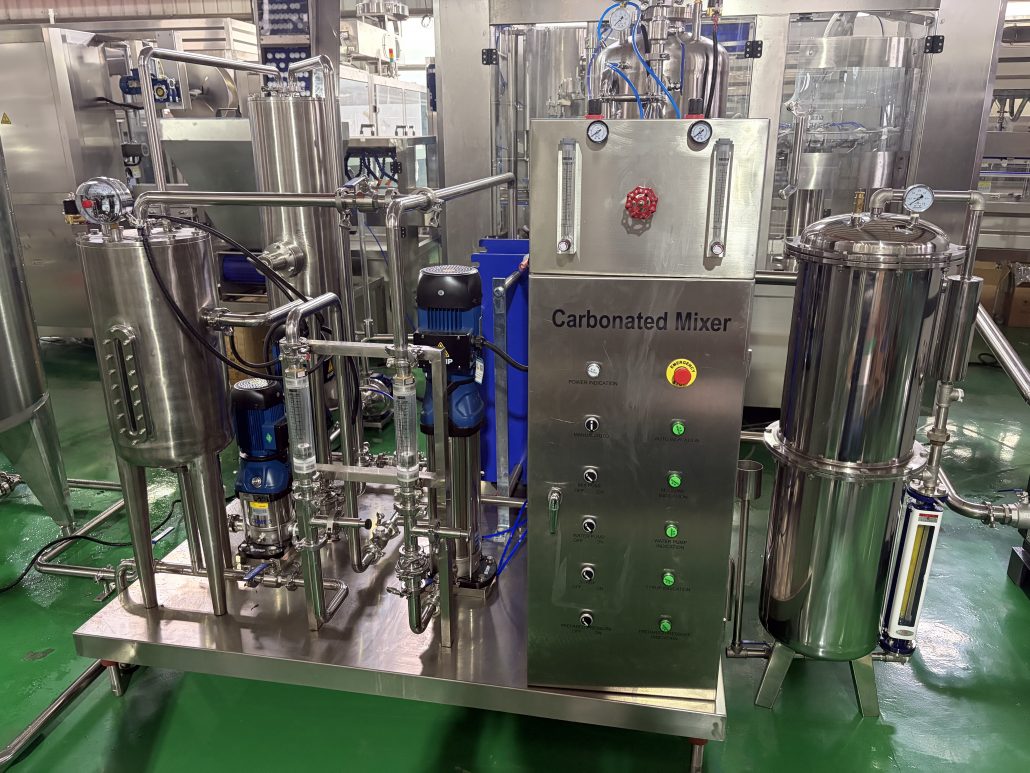
Integrated Preparation Systems: From steam-jacketed sugar melting tanks to high-precision CO₂ mixers (like our QHS series), we ensure your recipe is executed perfectly every time.
Rigorous Hygiene Protocols: Our equipment is built with SUS304/SUS316 stainless steel and is fully compatible with CIP (Clean-in-Place) systems, allowing forautomated sterilization of the entire fluid path.

Starting a bottling plant is a capital-intensive decision. By partnering with a provider who understands the nuances of water chemistry and mechanical synchronization, you mitigate the risks of downtime and product recalls. We invite you to consult with our engineering team to transform your raw water source into a market-leading beverage brand.


The Art and Science of the Perfect Fizz: A Deep Dive into CSD Production

In the global beverage market, few products command as much loyal attention as Carbonated Soft Drinks (CSD). From the timeless clink of glass bottles in a village shop to the sleek aluminum cans in a high-end supermarket, the “fizz” is a universal language of celebration and refreshment. For an entrepreneur, entering the carbonated drink market—whether it’s for a traditional cola, a sparkling fruit soda, or a local tonic water—is an exciting venture. However, producing a high-quality fizzy drink is far more than just adding gas to water. it is a delicate dance of physics, chemistry, and precision engineering. If you are operating or planning a 2,000 BPH (bottles per hour) production line, understanding the journey from a simple drop of water to a pressurized bottle of joy is essential for your brand’s success.

 CIP System

Every great beverage begins with a foundation of absolute purity. Since water accounts for the vast majority of your final product, its quality cannot be compromised. A professional production line starts with a comprehensive Water Treatment System. By passing raw water through quartz sand, activated carbon, and high-precision Reverse Osmosis (RO) membranes, we remove every trace of impurity, odor, and microscopic particle. This ensures that the water is a “blank canvas,” ready to accept the complex flavors of your syrup. In the mixing phase, high-grade stainless steel tanks blend this purified water with sweeteners and concentrates. For a 2,000 BPH line, consistency is the goal. Every batch must have the exact same “Brix” or sugar level, ensuring that your customers receive the same delicious experience every time they choose your brand.

The most fascinating part of the process is, of course, the carbonation. This is where we apply the science of Henry’s Law. The goal is to dissolve Carbon Dioxide (CO2) into the liquid so that it stays there until the consumer opens the bottle. The secret to a long-lasting “fizz” is temperature control. Carbon dioxide is much more stable in cold liquids. Therefore, before the beverage meets the gas, it is chilled to near-freezing temperatures, typically between 0 and 4 degrees Celsius. In our specialized Carbonator, the liquid and CO2 are mixed under high pressure. This creates a stable solution where the gas is tightly bound to the liquid molecules, preventing the drink from going “flat” too quickly once it is poured into a glass.

 Mixer

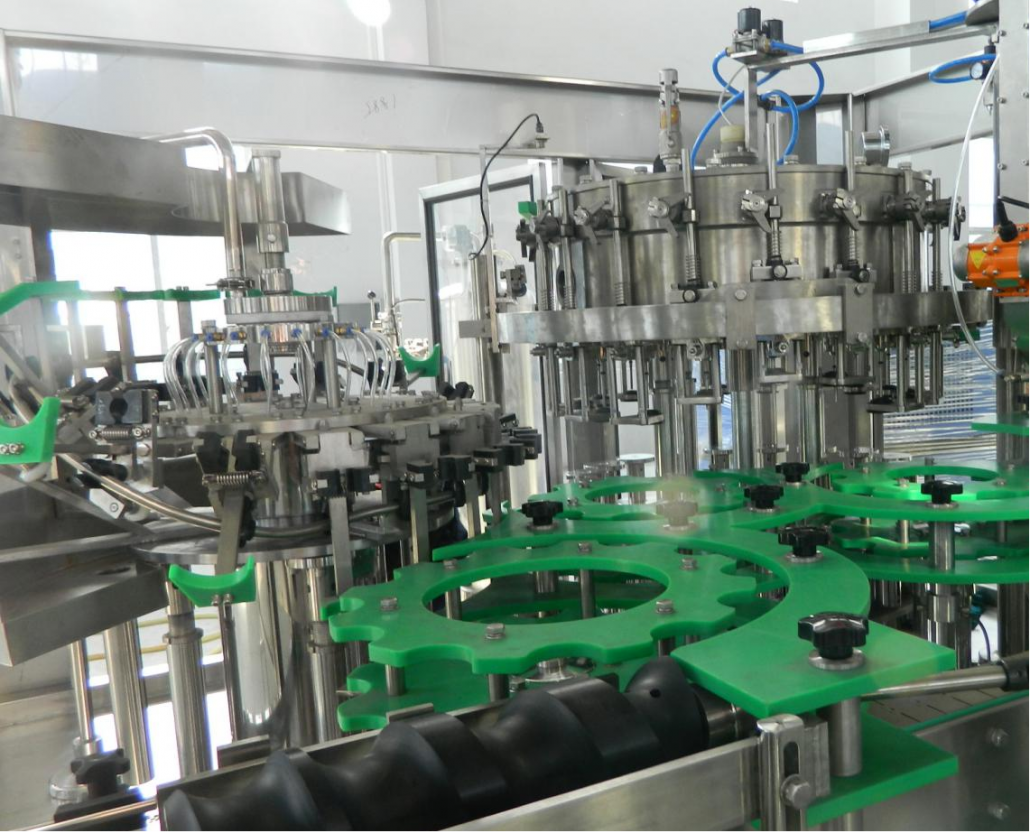
Once the liquid is carbonated, the challenge shifts to the Filling Machine. This is where precision engineering is most visible. To keep the CO2 from escaping during the filling process, we utilize Isobaric (Equal Pressure) Filling technology. Unlike still water filling, the filling valve here is the hero. During the process, the valve remains strictly closed at the start. The machine first establishes a pressure balance between the filling tank and the empty bottle. It is only when the air pressure inside the bottle perfectly matches the high pressure inside the beverage tank that the valve opens. Because the pressures are equalized, the carbonated liquid flows gently into the bottle without any violent turbulence or foaming. This “sealed-valve” approach is critical; it ensures that the gas stays in the drink and not in the factory air, guaranteeing a perfect fill level and maximum effervescence.

Immediately after the bottle is filled and capped, it moves to the final stages of the line. At this point, the bottles are often wet due to the rinsing process and the condensation that forms on the cold bottle surface. A wet bottle is a major obstacle for labeling, as adhesives cannot grip a damp surface. This is why our lines are equipped with a high-efficiency Drying Tunnel (also known as an Air Knife system). Instead of using heat, this tunnel utilizes powerful, high-velocity streams of filtered air. These “air knives” literally strip the water droplets off the bottle’s exterior, from the neck down to the base. This ensures the bottle is perfectly dry and ready for the labeling machine, resulting in a crisp, clean appearance that looks professional on any retail shelf.

 Carbonated Mixer

Our company specializes in providing these technical solutions for the next generation of beverage pioneers. We designed our 2,000 BPH CSD line with a focus on reliability and “entry-friendly” sophistication. We understand that for a growing business, you need equipment that is scientifically rigorous but easy to maintain. We don’t just supply the stainless steel; we provide the peace of mind that comes with knowing your Isobaric valves are sealing perfectly and your drying tunnels are preparing your bottles for a flawless finish. From the first drop of treated water to the final dried and labeled bottle, we are your partners in bringing the world’s favorite fizz to your local market. Let’s build something refreshing together.

Precision vs. Efficiency: A Comprehensive Guide to Labeling Technology in the Water Industry

In the water equipment industry, the post-filling labeling process is often regarded as the “final finishing touch.” The choice of a labeling machine relates not only to aesthetics but also directly impacts production line automation and long-term operational costs. Currently, mainstream equipment in the industry revolves around the adhesive sticker Labeling Machine and the OPP hot glue Labeling Machine.

Core Process: Scientific Principles of the Two Adhesion Technologies
A. Adhesive sticker Labeling Machine
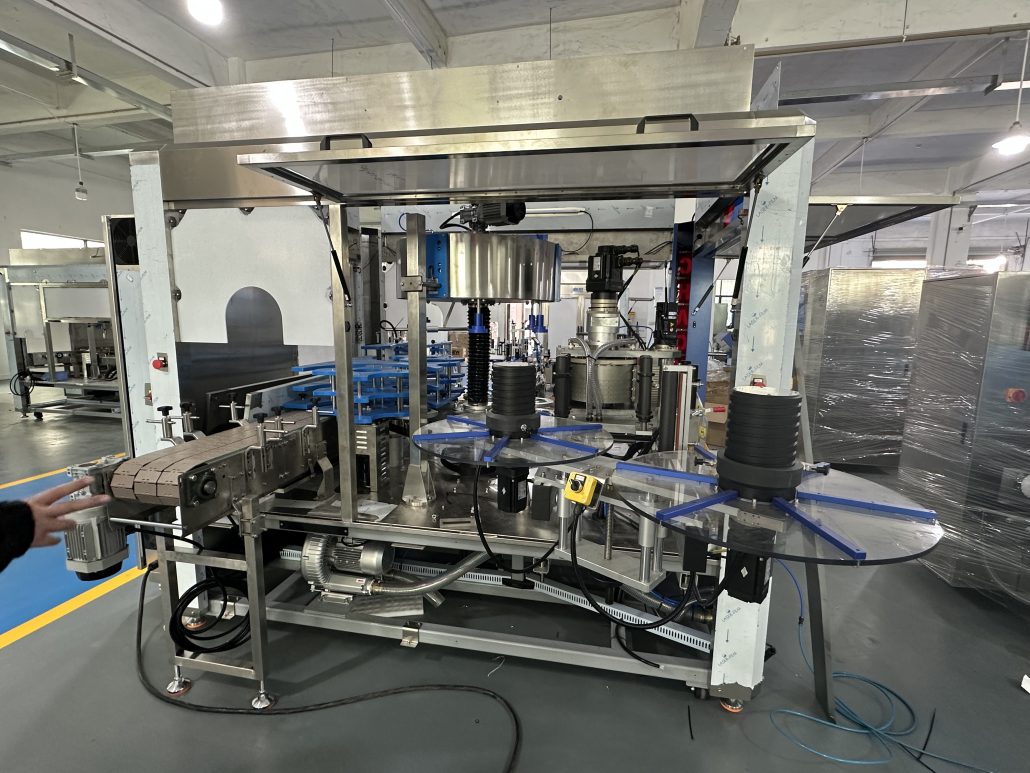
This process is akin to high-precision “peeling and transferring.” The labels consist of face stock, adhesive, and a liner. During operation, the peel plate separates the label from the liner, and a mechanical pressing mechanism applies it to the bottle. Since adhesive labels are pre-coated, they offer exceptional cleanliness and stability, eliminating issues like glue leakage or overflow. This is particularly suitable for PET or premium glass bottles requiring high transparency.

B. OPP hot glue Labeling Machine
This technology utilizes an “on-line gluing” model. It uses roll-fed OPP or BOPP film, which is suctioned and cut by a vacuum drum. A glue roller then applies hot melt adhesive to the leading and trailing edges of the label. The scientific core of this process lies in thermal management; the glue temperature must be precisely controlled to maintain strong initial tack during high-speed rotation. Due to the low cost of OPP film, it is the preferred solution for mass-market drinking water (e.g., 550ml retail water).


Path Logic: Fundamental Differences Between Linear and Rotary Types
In terms of mechanical paths, Linear and Rotary types represent two entirely different design philosophies, creating a watershed in “positioning” (orientation) capabilities.
Linear Labeling Machine:
Bottles pass the labeling head in a straight line on a conveyor. While compact and easy to operate, its fatal drawback is the inability to achieve precise orientation. Since bottles are free-moving or semi-fixed, the labeling head applies labels blindly, failing to ensure that labels avoid mold lines or align with specific bottle patterns or caps.
Rotary Labeling Machine:
Once bottles enter the machine, they are fed into a high-speed carousel and fixed by individual pedestals. The ingenuity of this design is that each pedestal can rotate independently based on preset programs. Combined with electronic cams or vision systems, the machine can identify features (such as notches, handles, or embossed logos) to achieve 100% precise orientation labeling. This is vital for premium products demanding brand consistency.


Global Perspective: How to Choose Based on Region and Product?
In procurement, a multi-dimensional trade-off based on Return on Investment (ROI) is required:
Regional Differences: In cost-sensitive markets like Southeast Asia, Africa, and Latin America, the OPP hot glue Labeling Machine is the dominant force. Its consumable cost is approximately 1/3 that of adhesive stickers, effectively reducing the per-bottle cost. Conversely, in Europe, North America, and Tier-1 cities in China, the adhesive sticker Labeling Machine is gaining market share due to its aesthetic appeal and adaptability to complex bottle shapes.
Target Audience: For high-volume, low-margin products, hot melt technology is the first choice. For premium baby water, medical-grade purified water, or high-end soda, the “no-label” look and high-transparency visuals provided by adhesive stickers better meet the psychological needs of middle-class consumers.

Industry Advancement: The Rise of Hybrid Labeling Machines
To address diversifying market trends, the industry has developed Hybrid Labeling Machines (Adhesive sticker + OPP hot glue). This equipment integrates two labeling modules while sharing a single infeed and rotary system.
This “two-in-one” design achieves production flexibility: a factory can run large-volume hot melt OPP products in the morning and, with a simple module switch and program recall, produce high-end adhesive sticker gift water in the afternoon. This not only saves floor space but also provides technical support for strategic adjustments across different market cycles.

After ten years in the field, I believe that equipment selection is not a simple comparison of specifications—it is a decision based on a deep understanding of the product life cycle.

From Preform to Perfect Container: How Blow Molding Technology Shapes Our Daily Beverage Packaging

The mineral water, carbonated drinks, juices, and cooking oils we consume daily are housed in lightweight yet durable PET plastic bottles. Have you ever wondered how these standardized, capacity-varying bottles are created? The answer lies in a precise and efficient manufacturing process known as blow molding. At its heart is the blow molding machine—an invisible sculptor that transforms test-tube-like preforms into the familiar containers we recognize. The choice of blow molding machine largely depends on two key concepts: constant pitch and variable pitch.

Constant Pitch Blow Molding Machines: The Robust Foundation of Standardized Production

As the name suggests, constant pitch blow molding machines feature a fixed center distance between mold cavities. This design delivers exceptional operational stability and production consistency, making them particularly suitable for long-duration, high-volume manufacturing of specific bottle sizes. Common pitch specifications correspond directly to mainstream bottle capacities: a 76.2 mm pitch specializes in small bottles under 600 ml (such as juice bottles); a 95.25 mm pitch dominates the market for medium bottles up to 1.5 L (like standard mineral water bottles); and a 114.3 mm pitch reliably produces large bottles around 2 L (such as family-sized beverage containers).

              95.25mm

Choosing a constant pitch machine means opting for an efficient, reliable, and easily maintained production line. Its heating system and blowing cycle are deeply optimized for fixed bottle designs, ensuring uniform wall thickness and excellent physical properties. For large-scale water plants or beverage brands with relatively fixed product lines that pursue maximum production efficiency and the lowest per-unit cost, constant pitch blow molding machines often represent the most cost-effective choice.

Variable Pitch Blow Molding Machines: The Modern Engine of Flexible Production

In response to increasingly diverse market demands, variable pitch blow molding machines offer a different solution. The spacing between their mold cavities can be adjusted, enabling flexible layouts such as “1-out-of-4,” “1-out-of-6,” “1-out-of-8,” and even more. For example, a “1-out-of-6” variable pitch machine can achieve a capacity of up to 12,000 bottles per hour under optimized conditions.

This flexibility is its core value. It allows producers to quickly switch between manufacturing bottles of different heights and diameters on the same equipment, significantly reducing mold investment and changeover costs for multi-variety, small-batch production. Whether producing limited-edition beverage bottles for seasonal campaigns or supplying various bottled water sizes as a contract manufacturer, variable pitch blow molding machines can meet these challenges with exceptional adaptability. Of course, this versatility typically comes with a higher initial investment and greater technical demands on operators.

Making the Right Choice: Aligning Technology with Needs

There is no absolute superiority between the “specialization” of constant pitch and the “flexibility” of variable pitch—the key lies in precise alignment with your business strategy. If your focus is large-scale, continuous production of one or a few bottle designs, pursuing ultimate operational efficiency and cost control, then a constant pitch blow molding machine is your solid fortress. Conversely, if your business requires frequent responses to market changes, with a rich and rapidly evolving product line, then the production flexibility offered by a variable pitch blow molding machine will be a valuable strategic asset.

As an equipment supplier deeply engaged in the fluid packaging field, ShineDew Machinery fully understands the value of both technological paths. We not only provide solutions ranging from stable and reliable constant pitch machines to highly adaptable variable pitch systems but also, drawing on extensive industry experience, can assist you in analyzing production data and planning capacity development. We help you make forward-looking investment decisions, ensuring that every blow molding machine becomes a reliable engine driving your business growth.

Fluid Packaging Redefined: The SD-500B Fully Automatic Pouch Filling and Sealing Machine

In response to growing consumer demand for convenience and sustainable packaging, water and juice pouches are gaining significant market share as a lightweight, portable, and low-packaging-cost alternative. Traditional filling methods often struggle with efficiency bottlenecks and hygiene control, making fully automatic pouch filling and sealing systems the intelligent solution to these challenges.

The SD-500B Plastic Pouch Filling and Sealing Machine is engineered for various liquid food products. Constructed with food-grade 304 stainless steel for all product contact surfaces—including filling valves, piping, and sealing components—it fully complies with GMP and food safety standards. At its core, a microprocessor-based control system automates the entire process: from film unwinding and pouch forming to volumetric filling and heat-seal closing, all managed through an intuitive interface.

Its technical advantages are multi-faceted. With a production capacity of 1,500 to 1,800 pouches per hour and a flexible filling volume range of 50 to 550 ml, it adapts to diverse product specifications. The compact, integrated design (1050×850×2050 mm) optimizes floor space, while standardized components and emergency stop safety features ensure long-term operational stability and reliability, significantly reducing maintenance costs and downtime risks.

As a technological achievement from ShineDew Machinery in the packaging field, this equipment not only enhances production efficiency but also delivers notable economic and environmental benefits through reduced material consumption and optimized production flow. We provide comprehensive support—from equipment configuration and process commissioning to ongoing technical service—empowering our clients to navigate the rapidly evolving market with confidence.