
Precision and Versatility: Choosing the Right Labeling Technology for Beverage and Oil Production
In the competitive landscape of liquid consumables—ranging from crystal-clear mineral water and pulpy juices to premium edible oils—the label is more than just a piece of film; it is the “identity card” of the brand. For production managers, achieving maximum Return on Investment (ROI) requires balancing aesthetic appeal with mechanical efficiency. Depending on the product type, bottle shape, and production speed, different labeling technologies offer distinct advantages. At ShineDew, we provide a diverse range of solutions to ensure your packaging line is optimized for your specific liquid product.
Hot Melt Glue Labeling: The High-Speed Standard for Mass Production
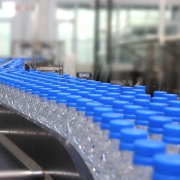
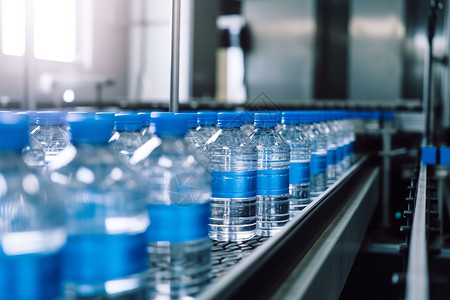
For large-scale mineral water and carbonated beverage plants, speed and cost-per-unit are the primary drivers. Rotary Hot Melt Glue Labeling Machines are the undisputed kings of efficiency in this sector. Utilizing cost-effective BOPP or OPP film rolls, these machines apply labels at incredible velocities, synchronized perfectly with high-volume 500ml or 1.5L filling lines.
The advantage of hot melt technology lies in its precision and economy. It uses minimal adhesive while providing a strong, moisture-resistant bond—essential for bottled water that might face condensation in cold storage. For edible oil producers, hot melt labeling also provides a clean, professional finish that remains stable even in high-temperature warehouse environments.
Self-Adhesive Labeling: The Premium Choice for Juices and Specialty Oils
When brand image and “shelf-pop” are the priorities, Self-Adhesive (Pressure-Sensitive) Labeling Machines are the preferred choice. This technology is widely used for premium fruit juices and high-end edible oils (such as extra virgin olive oil).
The primary benefit of self-adhesive labeling is its versatility. It allows for a “no-label look” using transparent films, giving the consumer a clear view of the vibrant juice or the golden oil inside. These machines are highly flexible, capable of applying front, back, or wrap-around labels with surgical precision. While the material cost per label is higher than OPP film, the visual appeal and the ability to handle various bottle materials (PET, glass, or HDPE) make it a high-ROI choice for premium market segments.
Shrink Sleeve Labeling: 360-Degree Branding for Complex Contours
For beverages and juices with unique bottle shapes, Shrink Sleeve Labeling Machines offer unparalleled creative freedom. Unlike flat labels, a sleeve is placed over the bottle and passed through a steam or electric heat tunnel, where it shrinks to perfectly contour the container’s shape.
This technology provides 360-degree branding real estate, allowing for vibrant graphics from the cap to the base. In the beverage industry, shrink sleeves are also used for tamper-evident seals on bottle caps, ensuring product safety and integrity. For producers of sports drinks or ergonomic juice bottles, the shrink sleeve ensures that the branding remains intact and attractive regardless of the bottle’s complexity.
Integrating the Right Solution for Long-Term Efficiency
Choosing the right labeling technology is not just about the machine; it is about the entire production ecosystem. A high-speed juice line might require the artistic touch of a shrink sleever, while a mass-market mineral water line demands the raw throughput of a hot-melt system.
By integrating these specialized labeling solutions, producers can significantly reduce downtime, minimize material waste, and ensure that every bottle—whether it contains water, juice, or oil—leaves the factory in perfect condition. Automation in labeling is the final, vital step in turning a liquid product into a market-leading brand.


Leave a Reply
Want to join the discussion?Feel free to contribute!