In the earliest phase, bottled water production was largely a manual operation. Tasks such as bottle washing, filling, and capping were performed by hand, resulting in limited output, inconsistent product quality, and significant challenges in maintaining hygienic conditions. Direct human handling of water and containers introduced variability and elevated contamination risks. During this period, bottled water remained a niche product with limited accessibility.
Mechanization: The First Leap in Productivity
By the mid-20th century, the introduction of basic machinery marked the industry’s first major shift. Conveyor belts, semi-automatic fillers, and capping machines began to replace repetitive manual tasks, increasing production speed and enabling bottled water to reach broader markets. However, processes remained discontinuous, requiring manual transfer between stages, and quality control still relied heavily on operator experience.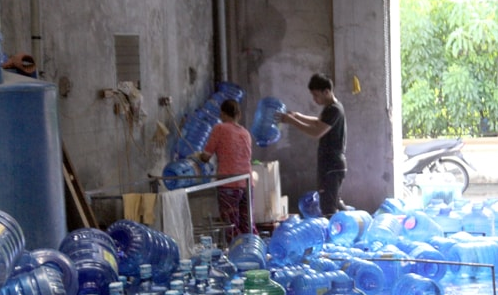
Automation Integration: The Rise of the Production Line
The adoption of Programmable Logic Controller (PLC) technology in the 1970s–1980s became a pivotal turning point. Washing, filling, and capping were integrated into coordinated production lines, enabling sequential automation. Sensors monitored bottle positioning and fill levels, while mechanical actuators performed precise operations. This integration significantly boosted throughput, consistency, and hygiene, laying the foundation for standardized mass production and driving down costs.
The Intelligent Revolution: Toward Unmanned Operation
Since the early 21st century, advances in industrial IoT, machine vision, and robotics have ushered in an era of intelligent production. Modern lines now operate as seamless, closed-loop systems:
-
Upstream: Blow-molding units produce PET bottles on demand.
-
Midstream: Three-in-one fillers conduct rinsing, volumetric filling, and sealing in a controlled environment, with vision systems performing real-time inspection.
-
Downstream: Automated labelers, coders, wrappers, and palletizers handle packaging and logistics with minimal human intervention.
Today, a state-of-the-art bottled water plant can operate with near-total autonomy—from raw material intake to palletized dispatch—embodying the concept of a “lights-out” factory. Personnel have transitioned from line operators to system supervisors and maintenance specialists.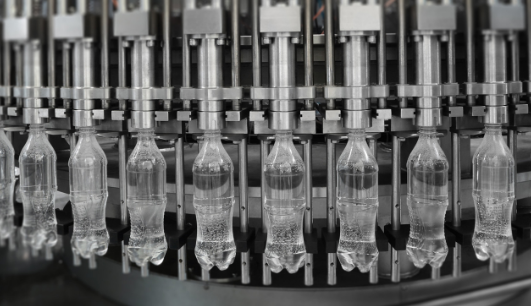
The journey from manual handling to robotic precision mirrors the broader evolution of manufacturing toward intelligence, flexibility, and sustainability. As technologies such as digital twins and predictive analytics mature, future bottled water plants will become even more adaptive, resilient, and efficient—continuing to deliver safe, reliable drinking water to a global market.




Leave a Reply
Want to join the discussion?Feel free to contribute!