

The Silent Revolution on the Production Line: Laser Date Coding
Imagine a bustling bottled water production facility. Thousands of bottles whiz down the conveyor belt every hour, each needing a clear, indelible expiration date and batch code. For decades, this was the domain of inkjet printers—systems that require constant replenishment of inks and solvents, are prone to smudging, and create operational waste. Today, a cleaner, smarter, and more efficient technology has taken center stage: the industrial laser date printer.
At its core, a modern laser marking system is a marvel of precision engineering. It typically consists of a laser source, a high-speed galvanometer scanner for beam steering, and an integrated control system. Unlike traditional methods, it employs a concentrated beam of light to alter the surface of a material, creating permanent, high-contrast marks without any physical contact. This means no smudging, no fading, and critically, no consumables.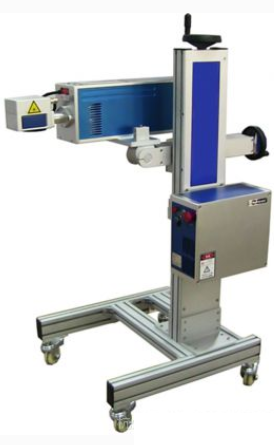
The advantages of this technology are transformative for industries like food and beverage. Firstly, it offers remarkable operational efficiency. Capable of marking on-the-fly at line speeds exceeding 200 meters per minute, it integrates seamlessly into high-throughput environments. The marks themselves are exceptionally precise, with line widths as fine as 0.03mm, ensuring legible barcodes, dates, and even complex logos on small or curved surfaces.
Secondly, it is a paradigm of sustainability and low maintenance. By eliminating the need for inks, solvents, and printer ribbons, these systems significantly reduce both consumable costs and environmental waste. There are no clogged print heads to clean or fluids to dispose of. The technology often relies on simple air-cooling and is built for 24/7 operation, offering unparalleled reliability and uptime.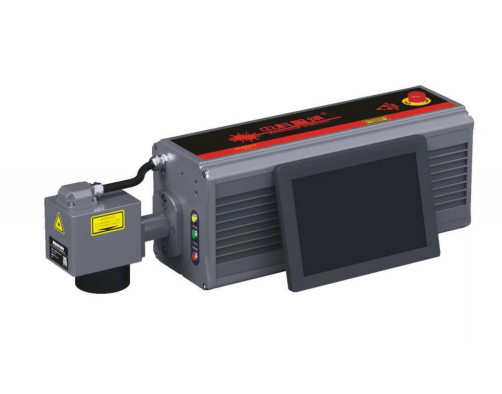
Furthermore, their versatility is a key strength. Whether it’s coding on glass, plastic, metal, or coated surfaces, laser systems can be tuned to deliver optimal results. They can effortlessly switch between multiple languages, sequential numbers, and 2D codes like QR codes, providing the flexibility needed for modern traceability and branding requirements.
From ensuring every bottle of water carries a perfect, permanent code to marking electronic components with microscopic accuracy, laser date printers represent a significant leap forward. They are not just a replacement for an old tool but a fundamental upgrade—offering manufacturers a way to enhance product quality, streamline operations, and build a more sustainable production line for the future.
