The Art and Science of the Perfect Fizz: A Deep Dive into CSD Production

In the global beverage market, few products command as much loyal attention as Carbonated Soft Drinks (CSD). From the timeless clink of glass bottles in a village shop to the sleek aluminum cans in a high-end supermarket, the “fizz” is a universal language of celebration and refreshment. For an entrepreneur, entering the carbonated drink market—whether it’s for a traditional cola, a sparkling fruit soda, or a local tonic water—is an exciting venture. However, producing a high-quality fizzy drink is far more than just adding gas to water. it is a delicate dance of physics, chemistry, and precision engineering. If you are operating or planning a 2,000 BPH (bottles per hour) production line, understanding the journey from a simple drop of water to a pressurized bottle of joy is essential for your brand’s success.
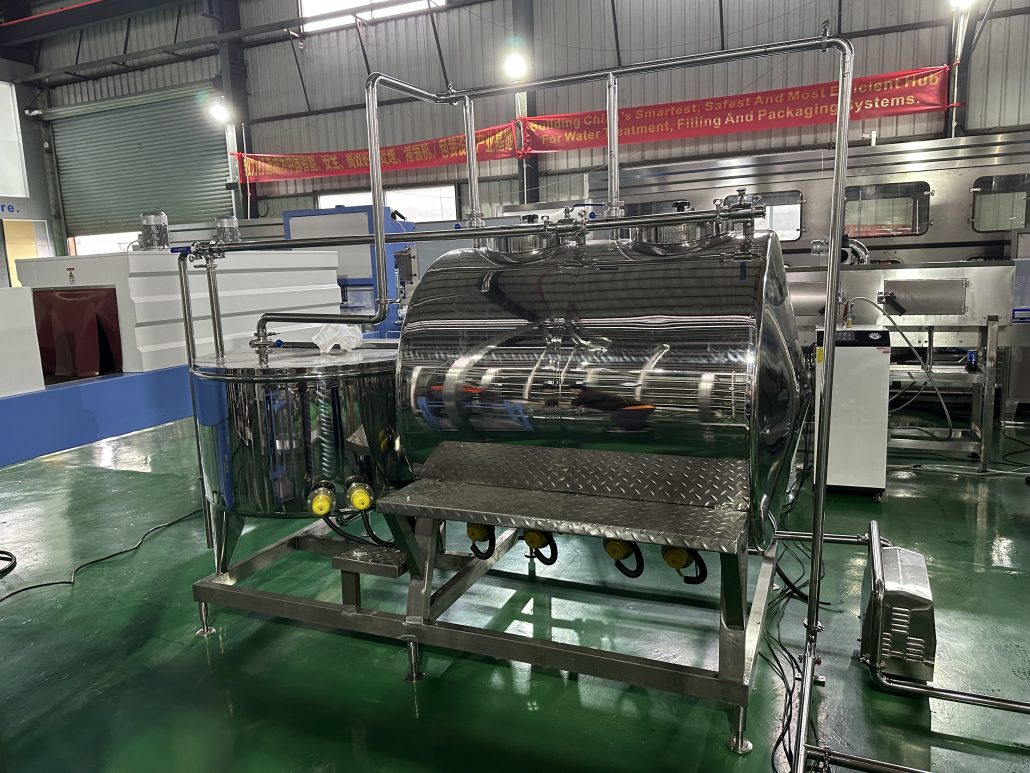
 CIP System

Every great beverage begins with a foundation of absolute purity. Since water accounts for the vast majority of your final product, its quality cannot be compromised. A professional production line starts with a comprehensive Water Treatment System. By passing raw water through quartz sand, activated carbon, and high-precision Reverse Osmosis (RO) membranes, we remove every trace of impurity, odor, and microscopic particle. This ensures that the water is a “blank canvas,” ready to accept the complex flavors of your syrup. In the mixing phase, high-grade stainless steel tanks blend this purified water with sweeteners and concentrates. For a 2,000 BPH line, consistency is the goal. Every batch must have the exact same “Brix” or sugar level, ensuring that your customers receive the same delicious experience every time they choose your brand.

The most fascinating part of the process is, of course, the carbonation. This is where we apply the science of Henry’s Law. The goal is to dissolve Carbon Dioxide (CO2) into the liquid so that it stays there until the consumer opens the bottle. The secret to a long-lasting “fizz” is temperature control. Carbon dioxide is much more stable in cold liquids. Therefore, before the beverage meets the gas, it is chilled to near-freezing temperatures, typically between 0 and 4 degrees Celsius. In our specialized Carbonator, the liquid and CO2 are mixed under high pressure. This creates a stable solution where the gas is tightly bound to the liquid molecules, preventing the drink from going “flat” too quickly once it is poured into a glass.
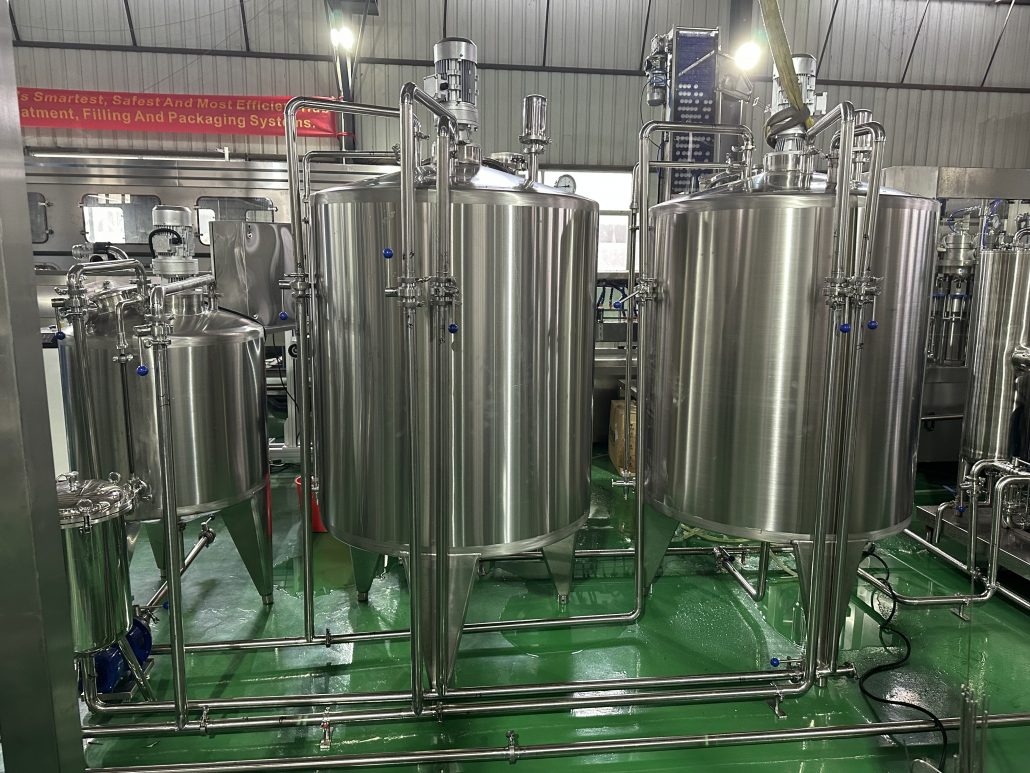
 Mixer

Once the liquid is carbonated, the challenge shifts to the Filling Machine. This is where precision engineering is most visible. To keep the CO2 from escaping during the filling process, we utilize Isobaric (Equal Pressure) Filling technology. Unlike still water filling, the filling valve here is the hero. During the process, the valve remains strictly closed at the start. The machine first establishes a pressure balance between the filling tank and the empty bottle. It is only when the air pressure inside the bottle perfectly matches the high pressure inside the beverage tank that the valve opens. Because the pressures are equalized, the carbonated liquid flows gently into the bottle without any violent turbulence or foaming. This “sealed-valve” approach is critical; it ensures that the gas stays in the drink and not in the factory air, guaranteeing a perfect fill level and maximum effervescence.

Immediately after the bottle is filled and capped, it moves to the final stages of the line. At this point, the bottles are often wet due to the rinsing process and the condensation that forms on the cold bottle surface. A wet bottle is a major obstacle for labeling, as adhesives cannot grip a damp surface. This is why our lines are equipped with a high-efficiency Drying Tunnel (also known as an Air Knife system). Instead of using heat, this tunnel utilizes powerful, high-velocity streams of filtered air. These “air knives” literally strip the water droplets off the bottle’s exterior, from the neck down to the base. This ensures the bottle is perfectly dry and ready for the labeling machine, resulting in a crisp, clean appearance that looks professional on any retail shelf.
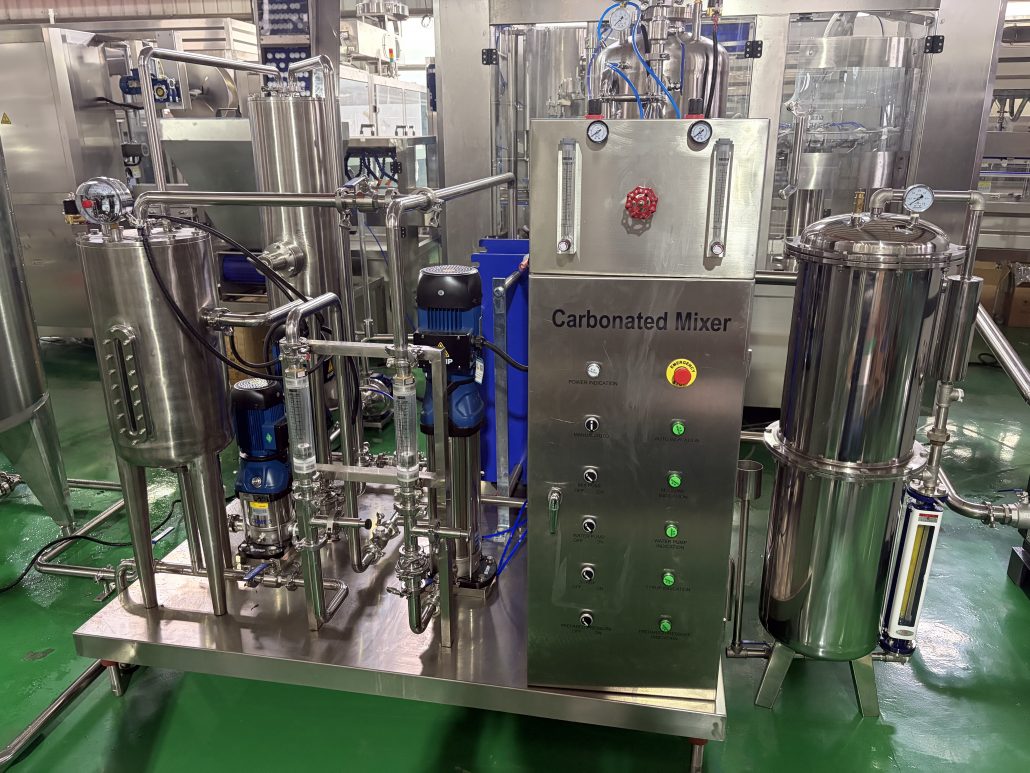
 Carbonated Mixer

Our company specializes in providing these technical solutions for the next generation of beverage pioneers. We designed our 2,000 BPH CSD line with a focus on reliability and “entry-friendly” sophistication. We understand that for a growing business, you need equipment that is scientifically rigorous but easy to maintain. We don’t just supply the stainless steel; we provide the peace of mind that comes with knowing your Isobaric valves are sealing perfectly and your drying tunnels are preparing your bottles for a flawless finish. From the first drop of treated water to the final dried and labeled bottle, we are your partners in bringing the world’s favorite fizz to your local market. Let’s build something refreshing together.
Precision vs. Efficiency: A Comprehensive Guide to Labeling Technology in the Water Industry

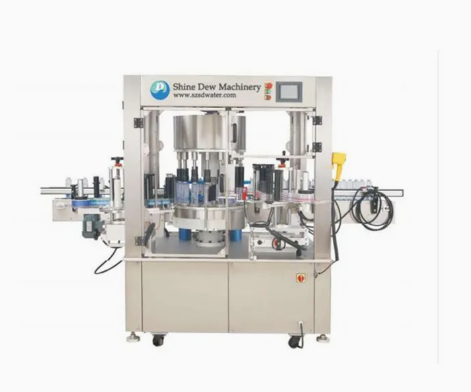
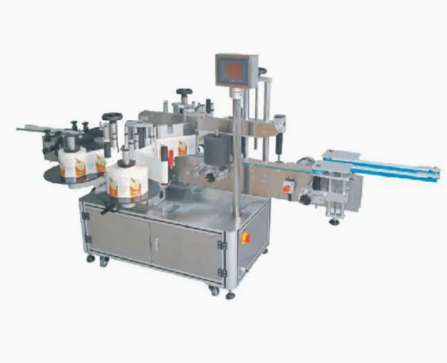
In the water equipment industry, the post-filling labeling process is often regarded as the “final finishing touch.” The choice of a labeling machine relates not only to aesthetics but also directly impacts production line automation and long-term operational costs. Currently, mainstream equipment in the industry revolves around the adhesive sticker Labeling Machine and the OPP hot glue Labeling Machine.

Core Process: Scientific Principles of the Two Adhesion Technologies
A. Adhesive sticker Labeling Machine
This process is akin to high-precision “peeling and transferring.” The labels consist of face stock, adhesive, and a liner. During operation, the peel plate separates the label from the liner, and a mechanical pressing mechanism applies it to the bottle. Since adhesive labels are pre-coated, they offer exceptional cleanliness and stability, eliminating issues like glue leakage or overflow. This is particularly suitable for PET or premium glass bottles requiring high transparency.

B. OPP hot glue Labeling Machine
This technology utilizes an “on-line gluing” model. It uses roll-fed OPP or BOPP film, which is suctioned and cut by a vacuum drum. A glue roller then applies hot melt adhesive to the leading and trailing edges of the label. The scientific core of this process lies in thermal management; the glue temperature must be precisely controlled to maintain strong initial tack during high-speed rotation. Due to the low cost of OPP film, it is the preferred solution for mass-market drinking water (e.g., 550ml retail water).


Path Logic: Fundamental Differences Between Linear and Rotary Types
In terms of mechanical paths, Linear and Rotary types represent two entirely different design philosophies, creating a watershed in “positioning” (orientation) capabilities.
Linear Labeling Machine:
Bottles pass the labeling head in a straight line on a conveyor. While compact and easy to operate, its fatal drawback is the inability to achieve precise orientation. Since bottles are free-moving or semi-fixed, the labeling head applies labels blindly, failing to ensure that labels avoid mold lines or align with specific bottle patterns or caps.
Rotary Labeling Machine:
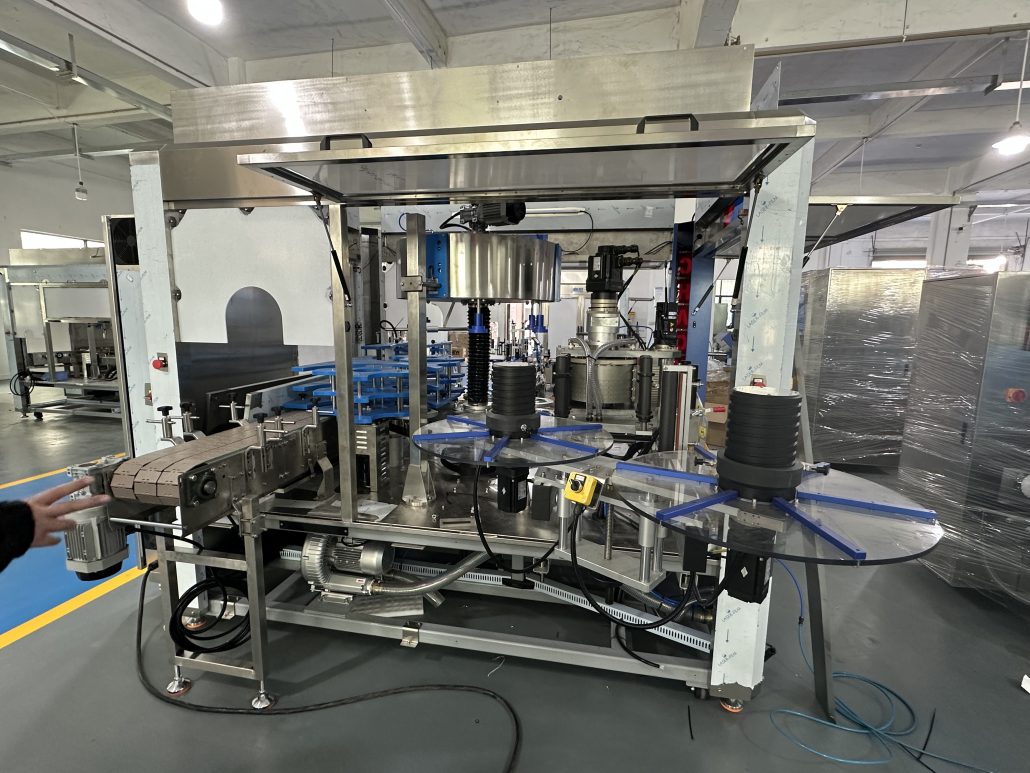
Once bottles enter the machine, they are fed into a high-speed carousel and fixed by individual pedestals. The ingenuity of this design is that each pedestal can rotate independently based on preset programs. Combined with electronic cams or vision systems, the machine can identify features (such as notches, handles, or embossed logos) to achieve 100% precise orientation labeling. This is vital for premium products demanding brand consistency.


Global Perspective: How to Choose Based on Region and Product?
In procurement, a multi-dimensional trade-off based on Return on Investment (ROI) is required:
Regional Differences: In cost-sensitive markets like Southeast Asia, Africa, and Latin America, the OPP hot glue Labeling Machine is the dominant force. Its consumable cost is approximately 1/3 that of adhesive stickers, effectively reducing the per-bottle cost. Conversely, in Europe, North America, and Tier-1 cities in China, the adhesive sticker Labeling Machine is gaining market share due to its aesthetic appeal and adaptability to complex bottle shapes.
Target Audience: For high-volume, low-margin products, hot melt technology is the first choice. For premium baby water, medical-grade purified water, or high-end soda, the “no-label” look and high-transparency visuals provided by adhesive stickers better meet the psychological needs of middle-class consumers.

Industry Advancement: The Rise of Hybrid Labeling Machines
To address diversifying market trends, the industry has developed Hybrid Labeling Machines (Adhesive sticker + OPP hot glue). This equipment integrates two labeling modules while sharing a single infeed and rotary system.
This “two-in-one” design achieves production flexibility: a factory can run large-volume hot melt OPP products in the morning and, with a simple module switch and program recall, produce high-end adhesive sticker gift water in the afternoon. This not only saves floor space but also provides technical support for strategic adjustments across different market cycles.

After ten years in the field, I believe that equipment selection is not a simple comparison of specifications—it is a decision based on a deep understanding of the product life cycle.

From Preform to Perfect Container: How Blow Molding Technology Shapes Our Daily Beverage Packaging

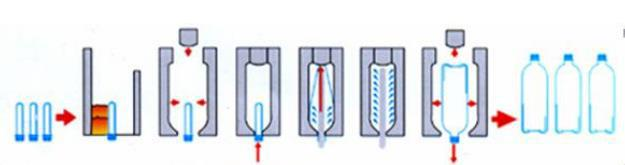
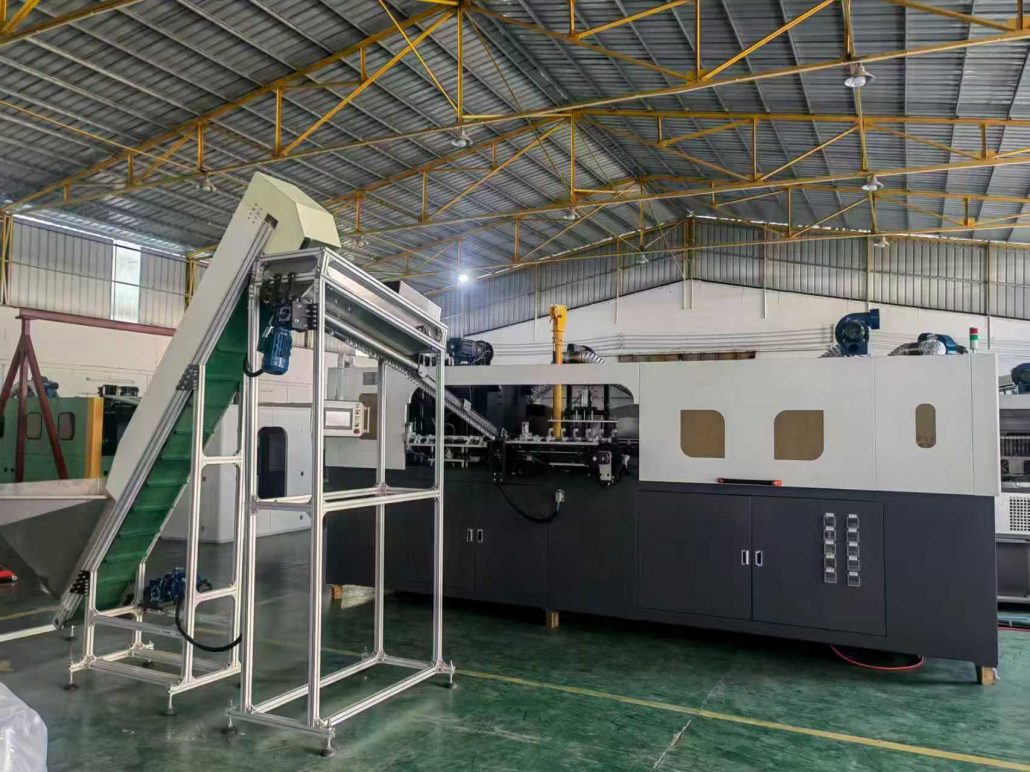
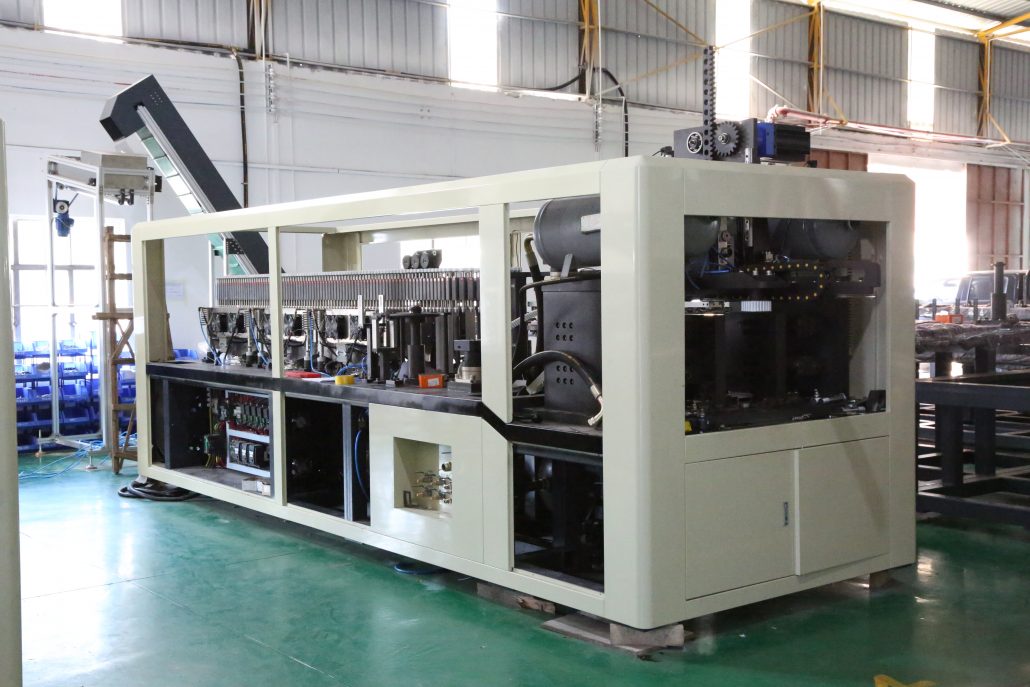
The mineral water, carbonated drinks, juices, and cooking oils we consume daily are housed in lightweight yet durable PET plastic bottles. Have you ever wondered how these standardized, capacity-varying bottles are created? The answer lies in a precise and efficient manufacturing process known as blow molding. At its heart is the blow molding machine—an invisible sculptor that transforms test-tube-like preforms into the familiar containers we recognize. The choice of blow molding machine largely depends on two key concepts: constant pitch and variable pitch.

Constant Pitch Blow Molding Machines: The Robust Foundation of Standardized Production

As the name suggests, constant pitch blow molding machines feature a fixed center distance between mold cavities. This design delivers exceptional operational stability and production consistency, making them particularly suitable for long-duration, high-volume manufacturing of specific bottle sizes. Common pitch specifications correspond directly to mainstream bottle capacities: a 76.2 mm pitch specializes in small bottles under 600 ml (such as juice bottles); a 95.25 mm pitch dominates the market for medium bottles up to 1.5 L (like standard mineral water bottles); and a 114.3 mm pitch reliably produces large bottles around 2 L (such as family-sized beverage containers).

              95.25mm

Choosing a constant pitch machine means opting for an efficient, reliable, and easily maintained production line. Its heating system and blowing cycle are deeply optimized for fixed bottle designs, ensuring uniform wall thickness and excellent physical properties. For large-scale water plants or beverage brands with relatively fixed product lines that pursue maximum production efficiency and the lowest per-unit cost, constant pitch blow molding machines often represent the most cost-effective choice.

Variable Pitch Blow Molding Machines: The Modern Engine of Flexible Production

In response to increasingly diverse market demands, variable pitch blow molding machines offer a different solution. The spacing between their mold cavities can be adjusted, enabling flexible layouts such as “1-out-of-4,” “1-out-of-6,” “1-out-of-8,” and even more. For example, a “1-out-of-6” variable pitch machine can achieve a capacity of up to 12,000 bottles per hour under optimized conditions.

This flexibility is its core value. It allows producers to quickly switch between manufacturing bottles of different heights and diameters on the same equipment, significantly reducing mold investment and changeover costs for multi-variety, small-batch production. Whether producing limited-edition beverage bottles for seasonal campaigns or supplying various bottled water sizes as a contract manufacturer, variable pitch blow molding machines can meet these challenges with exceptional adaptability. Of course, this versatility typically comes with a higher initial investment and greater technical demands on operators.

Making the Right Choice: Aligning Technology with Needs

There is no absolute superiority between the “specialization” of constant pitch and the “flexibility” of variable pitch—the key lies in precise alignment with your business strategy. If your focus is large-scale, continuous production of one or a few bottle designs, pursuing ultimate operational efficiency and cost control, then a constant pitch blow molding machine is your solid fortress. Conversely, if your business requires frequent responses to market changes, with a rich and rapidly evolving product line, then the production flexibility offered by a variable pitch blow molding machine will be a valuable strategic asset.

As an equipment supplier deeply engaged in the fluid packaging field, ShineDew Machinery fully understands the value of both technological paths. We not only provide solutions ranging from stable and reliable constant pitch machines to highly adaptable variable pitch systems but also, drawing on extensive industry experience, can assist you in analyzing production data and planning capacity development. We help you make forward-looking investment decisions, ensuring that every blow molding machine becomes a reliable engine driving your business growth.

Fluid Packaging Redefined: The SD-500B Fully Automatic Pouch Filling and Sealing Machine

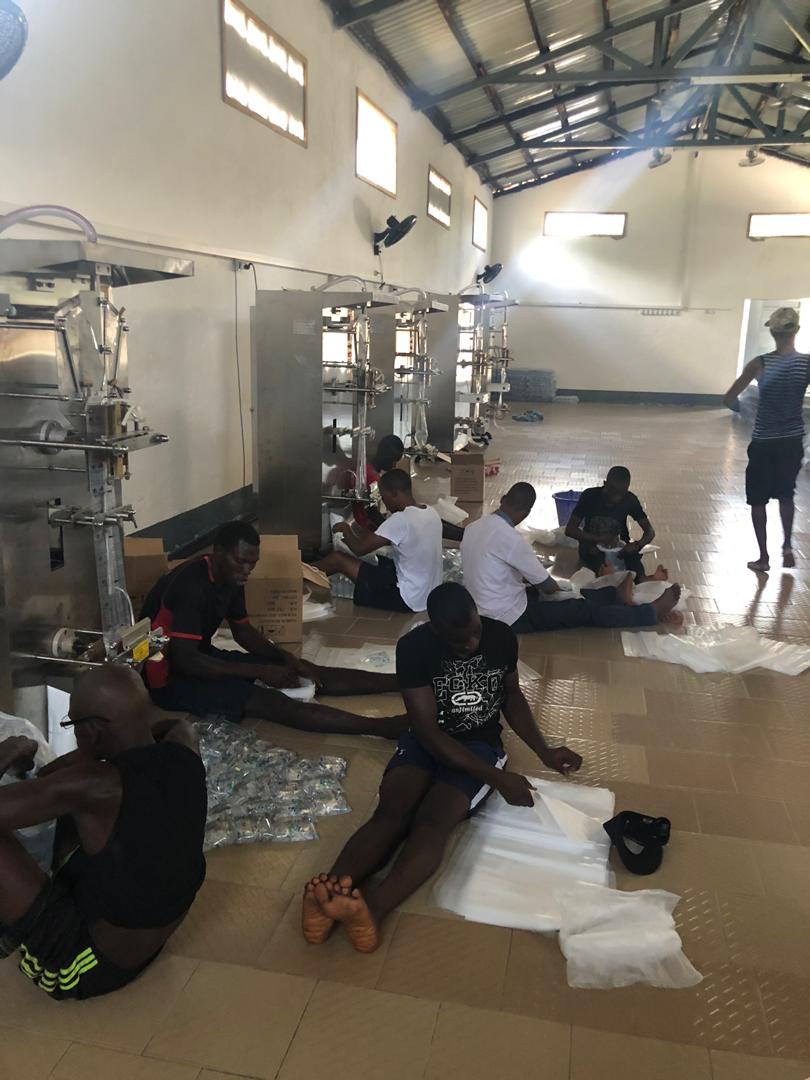
In response to growing consumer demand for convenience and sustainable packaging, water and juice pouches are gaining significant market share as a lightweight, portable, and low-packaging-cost alternative. Traditional filling methods often struggle with efficiency bottlenecks and hygiene control, making fully automatic pouch filling and sealing systems the intelligent solution to these challenges.

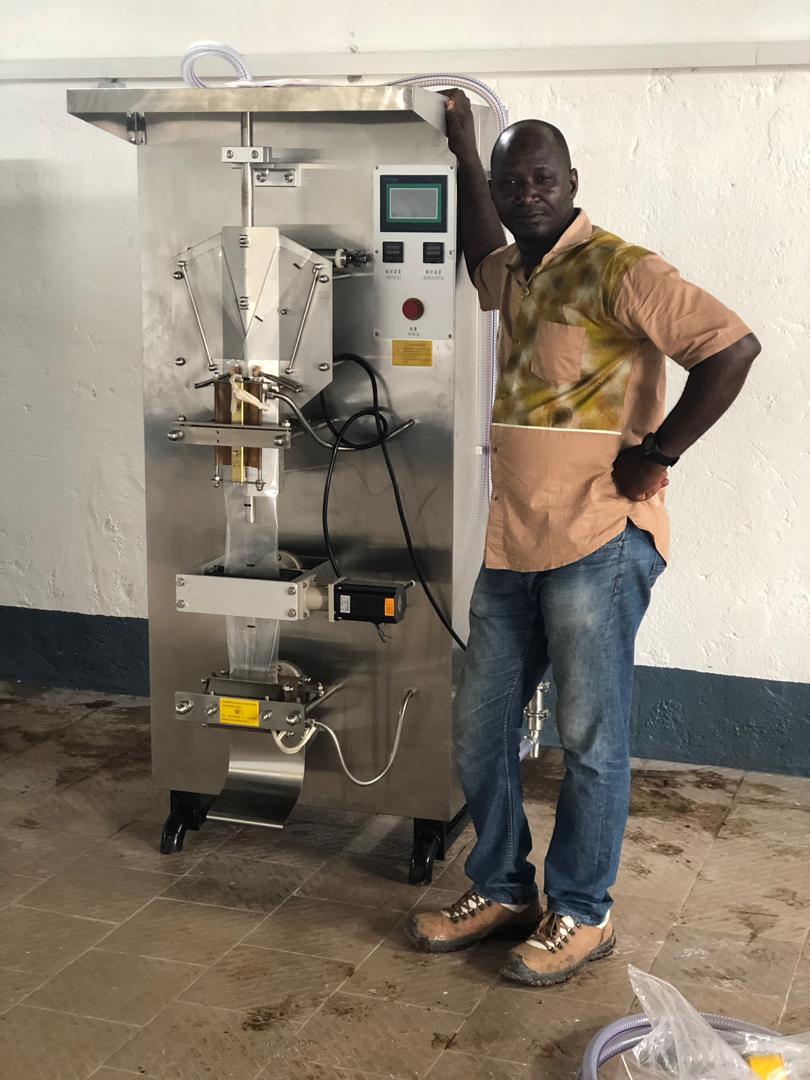
The SD-500B Plastic Pouch Filling and Sealing Machine is engineered for various liquid food products. Constructed with food-grade 304 stainless steel for all product contact surfaces—including filling valves, piping, and sealing components—it fully complies with GMP and food safety standards. At its core, a microprocessor-based control system automates the entire process: from film unwinding and pouch forming to volumetric filling and heat-seal closing, all managed through an intuitive interface.

Its technical advantages are multi-faceted. With a production capacity of 1,500 to 1,800 pouches per hour and a flexible filling volume range of 50 to 550 ml, it adapts to diverse product specifications. The compact, integrated design (1050×850×2050 mm) optimizes floor space, while standardized components and emergency stop safety features ensure long-term operational stability and reliability, significantly reducing maintenance costs and downtime risks.

As a technological achievement from ShineDew Machinery in the packaging field, this equipment not only enhances production efficiency but also delivers notable economic and environmental benefits through reduced material consumption and optimized production flow. We provide comprehensive support—from equipment configuration and process commissioning to ongoing technical service—empowering our clients to navigate the rapidly evolving market with confidence.