The Silent Revolution on the Production Line: Laser Date Coding

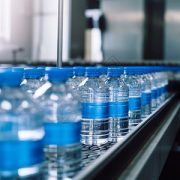
Imagine a bustling bottled water production facility. Thousands of bottles whiz down the conveyor belt every hour, each needing a clear, indelible expiration date and batch code. For decades, this was the domain of inkjet printers—systems that require constant replenishment of inks and solvents, are prone to smudging, and create operational waste. Today, a cleaner, smarter, and more efficient technology has taken center stage: the industrial laser date printer.

At its core, a modern laser marking system is a marvel of precision engineering. It typically consists of a laser source, a high-speed galvanometer scanner for beam steering, and an integrated control system. Unlike traditional methods, it employs a concentrated beam of light to alter the surface of a material, creating permanent, high-contrast marks without any physical contact. This means no smudging, no fading, and critically, no consumables.
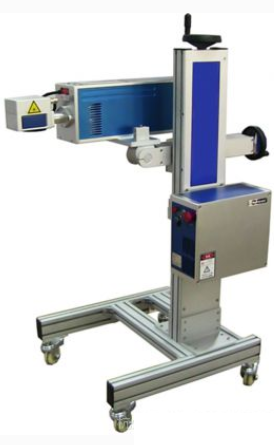
The advantages of this technology are transformative for industries like food and beverage. Firstly, it offers remarkable operational efficiency. Capable of marking on-the-fly at line speeds exceeding 200 meters per minute, it integrates seamlessly into high-throughput environments. The marks themselves are exceptionally precise, with line widths as fine as 0.03mm, ensuring legible barcodes, dates, and even complex logos on small or curved surfaces.

Secondly, it is a paradigm of sustainability and low maintenance. By eliminating the need for inks, solvents, and printer ribbons, these systems significantly reduce both consumable costs and environmental waste. There are no clogged print heads to clean or fluids to dispose of. The technology often relies on simple air-cooling and is built for 24/7 operation, offering unparalleled reliability and uptime.
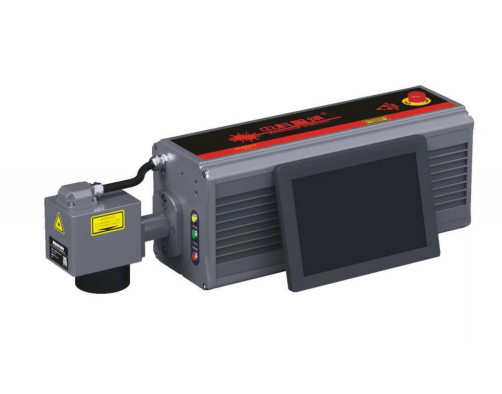
Furthermore, their versatility is a key strength. Whether it’s coding on glass, plastic, metal, or coated surfaces, laser systems can be tuned to deliver optimal results. They can effortlessly switch between multiple languages, sequential numbers, and 2D codes like QR codes, providing the flexibility needed for modern traceability and branding requirements.

From ensuring every bottle of water carries a perfect, permanent code to marking electronic components with microscopic accuracy, laser date printers represent a significant leap forward. They are not just a replacement for an old tool but a fundamental upgrade—offering manufacturers a way to enhance product quality, streamline operations, and build a more sustainable production line for the future.
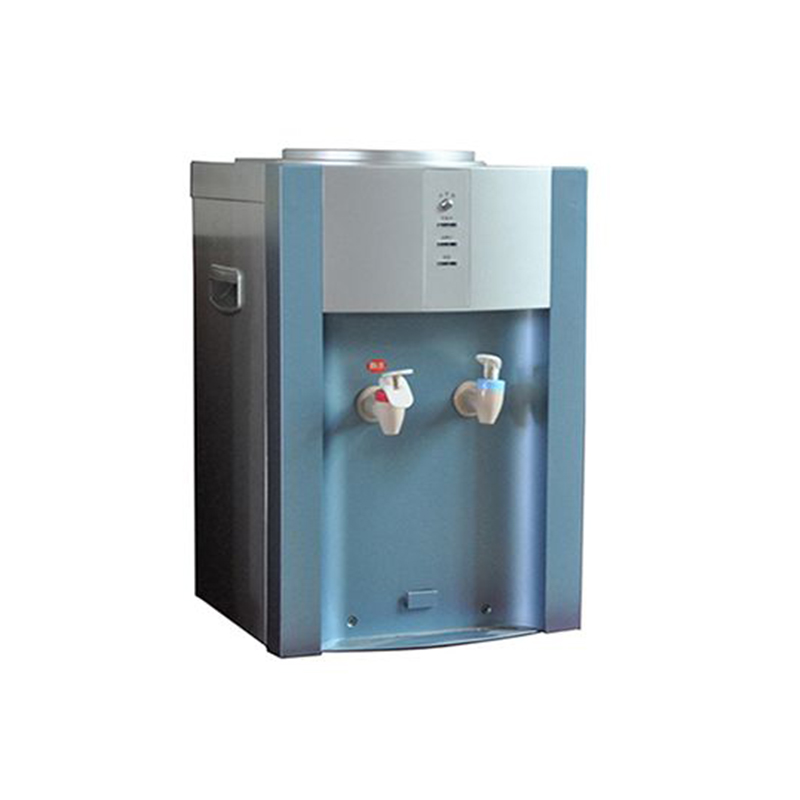
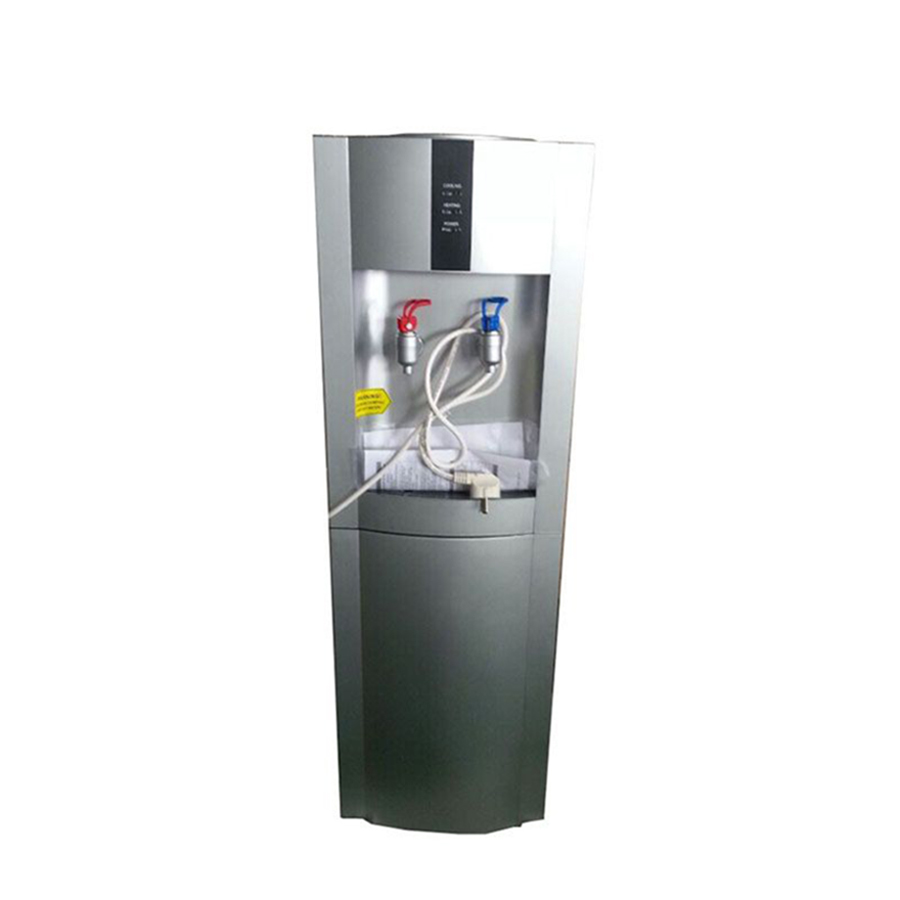
Smart Water Dispensers: Your Healthy Hydration Solution for Modern Living

In offices, homes, schools, and healthcare facilities, accessing drinking water at ideal temperatures has become an essential daily need. As the key link between water sources and end consumption, the performance of water dispensers directly impacts both water quality and user experience.

Modern high-quality water dispensers integrate practical functionality with user-centered design. Equipped with dual hot and cold water systems, they efficiently meet diverse needs across seasons and scenarios. The external heating pot ensures safe and convenient access to high-temperature hot water, while the removable drip tray simplifies cleaning and maintenance. Constructed with food-grade ABS material and an inner stainless steel tank, these units guarantee structural durability while preserving water purity. Energy-efficient operation, coupled with overheat protection, demonstrates a commitment to both sustainability and user safety.

Cooler

Two main cooling technologies dominate the current market: compressor and cooler. Compressor systems deliver high cooling efficiency and sustained performance, making them particularly suitable for high-frequency environments like corporate offices or warmer climates such as Southeast Asia and the Middle East. Cooler, known for its rapid response and quiet operation, is often preferred for residential spaces or quiet environments common in European and North American households. The choice between technologies often reflects regional climate patterns – tropical regions typically benefit from compressor’ consistent cooling power, while temperate zones may find cooler adequately meet their seasonal needs.

Compressor

When selecting a water dispenser, consider your actual usage scenario: commercial settings with high frequency and volume typically benefit from compressor with stable cooling and enhanced durability, while households sensitive to noise and with moderate usage may find cooler offer a more balanced experience. Regardless of type, excellent material quality, comprehensive safety protection, and convenient maintenance remain essential evaluation criteria.

We are committed to helping you identify the most suitable hydration solution – making every cup of water a refreshing part of your healthy lifestyle.

Efficient Shrink Film Technology: Revolutionizing Packaging in Bottled Water Production Lines

In modern bottled water production processes, after the clear water source undergoes multi-stage purification, precise filling, and strict sealing, the product enters a critical phase that determines its market appeal and distribution safety—the packaging stage. While traditional carton packaging provides basic protection, rising material costs, storage space requirements, and environmental concerns are driving the industry to seek more optimized solutions. Meanwhile, increasing consumer demands for product visibility and packaging sustainability are pushing manufacturers toward more competitive packaging methods. It is within this industry context that heat shrink film packaging technology has emerged with unique advantages, becoming the ideal choice for enhancing overall production line efficiency.

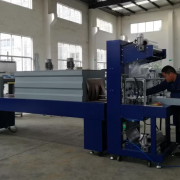
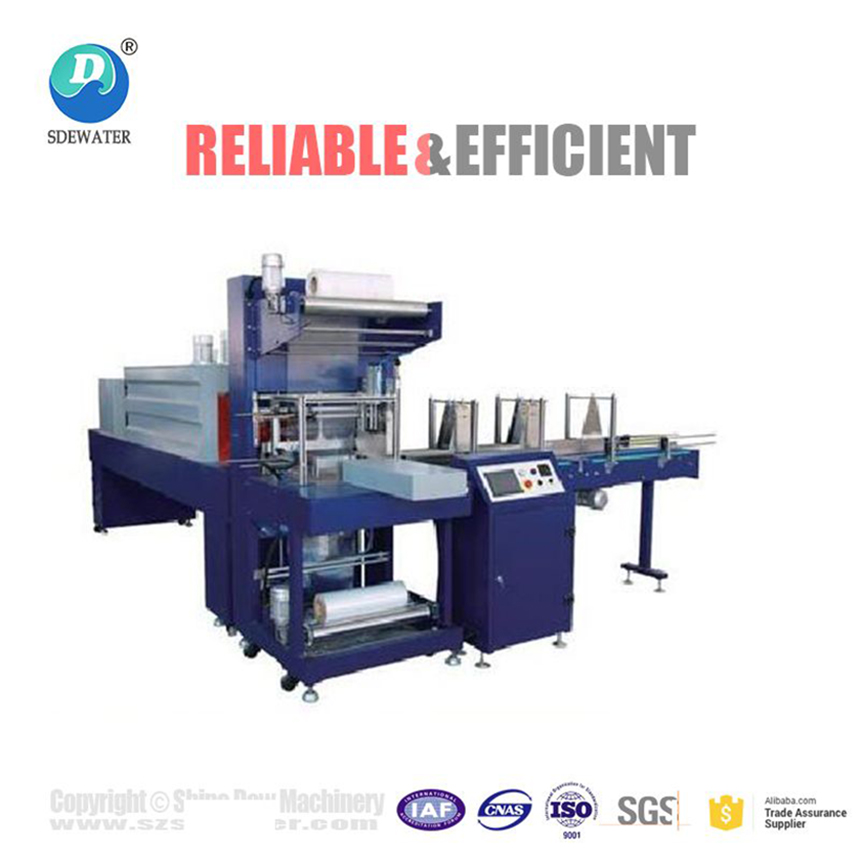
Automatic shrink wrapping machines achieve efficient packaging through precise electromechanical coordination. The equipment utilizes a PLC control system synchronized with pneumatic actuators to accurately control the bottle pushing mechanism and thermal sealing operations. The bottle feeding system employs variable frequency speed control, working in conjunction with stainless steel dividing guides to automatically group containers. When sensors detect that a bottle group has reached the preset quantity, the system immediately initiates the packaging process.

The PE film is fed through a gravity-sensing film feeding system, coordinated with film sensors to ensure optimal material utilization. The thermal sealing and cutting unit uses non-stick sealing strips, completes the sealing process under precise control of a time relay, and rapidly sets the shape through an air cooling system. The final packaged units enter an independently temperature-controlled heat shrinking oven, forming tight and stable packaging units at 140°C.


This packaging method not only significantly reduces material costs but also provides 360° product visibility, enhancing shelf appeal. Its compact packaging structure improves logistics efficiency, making it particularly suitable for multi-bundle packaging of mineral water and beverages, helping manufacturers maintain quality while enhancing market competitiveness.

The Unsung Hero of Your Office: How That 5-Gallon Water Bottle Comes to Life

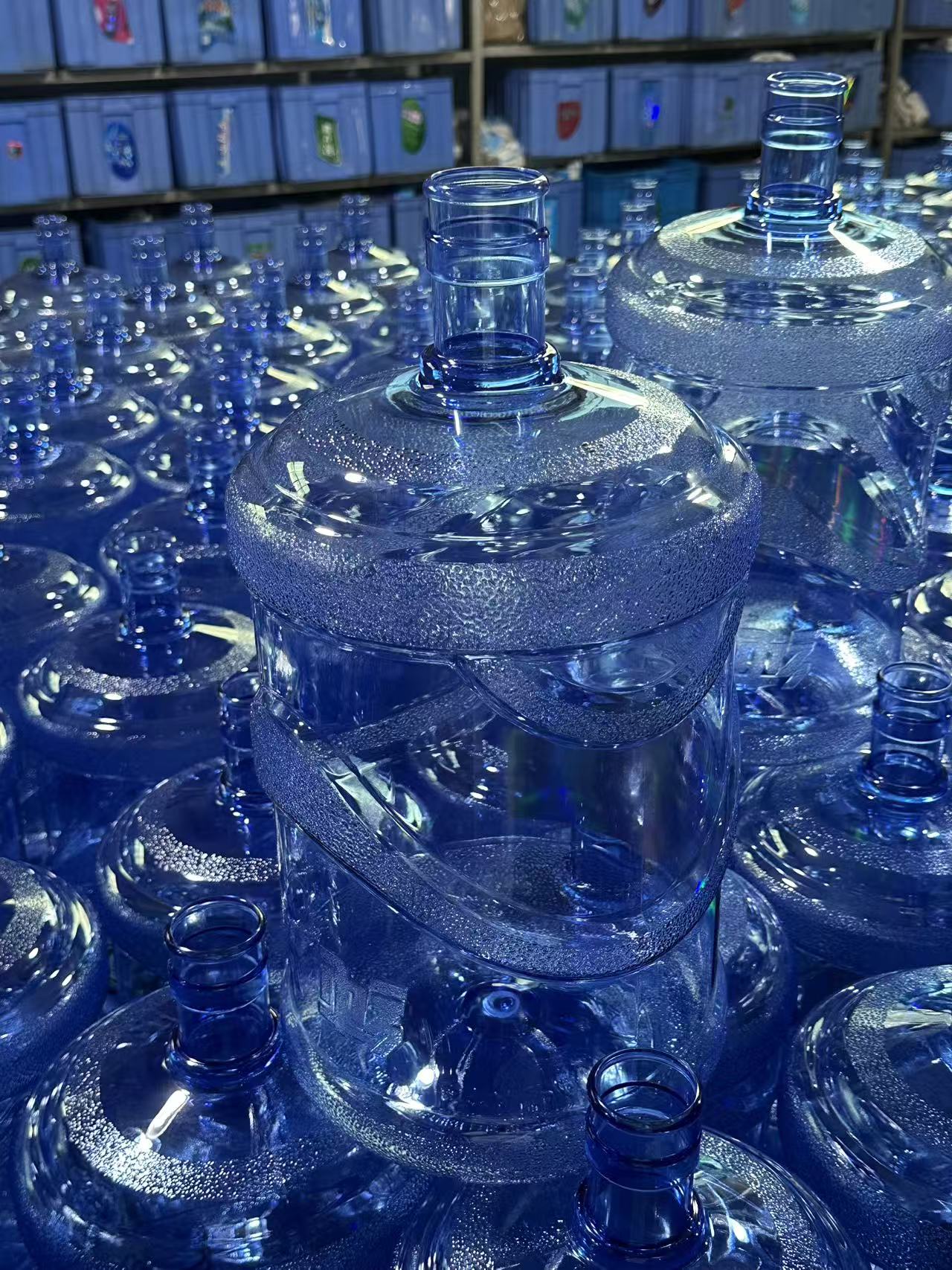
That familiar blue bottle sitting on your office water cooler has quite a story to tell. Every time you press the dispenser for a refreshing drink, have you ever wondered how this large, durable container – designed to hold drinking water safely for weeks – actually comes into being?

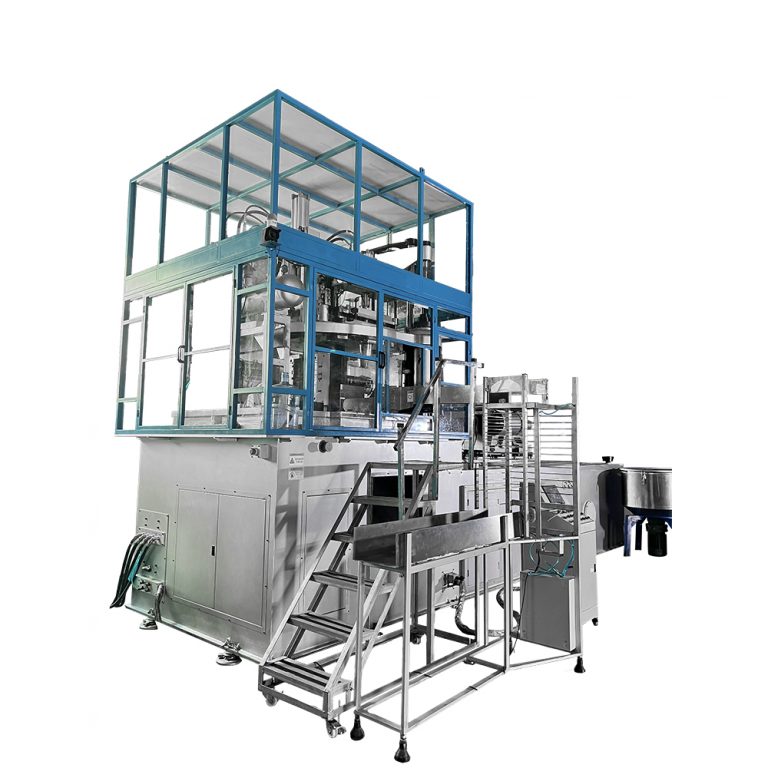
The answer lies in injection stretch blow molding technology, where food-grade polycarbonate material transforms into the robust bottles we rely on daily. At the heart of this process is precision engineering that balances strength with practicality.

Imagine a system that melts raw material with the consistency of a master chef preparing dough – using a specially designed screw that ensures perfect blending every time. The heating is carefully controlled like a professional oven, while cooling systems prevent any sticking or clogging. What emerges is a preform that will soon become your water bottle.

The transformation happens in the molding stage, where hydraulic systems work with the smooth precision of a well-rehearsed orchestra – no jerky movements, just steady, reliable operation. The entire process is managed by intelligent controls as user-friendly as your smartphone, making complex manufacturing surprisingly straightforward.


At ShineDew, we’ve spent years refining these machines because we understand that behind every bottle of drinking water is someone trusting it to be safe, reliable, and always available. That’s why we build equipment that doesn’t just make bottles, but creates peace of mind.